





What Diamond Clarity Grade Is Actually Worth Paying For
Besides noticing the different between an emerald cut and a marquise cut, most people shopping for a diamond notice the price difference between VVS1 and VS2 clarity grades and question the value of that extra cost.
For most purchases, differences in clarity are difficult to notice without magnification. Clarity grading occurs under 10x magnification, and distinctions between mid-range grades are usually not visible once a diamond is set.
The focus, then, is on whether your investment affects what you see or reflects what is documented on a grading report.

The price gap between VVS1 and VS2 can be substantial, but for most diamonds worn in everyday life, that difference is invisible without magnification.
How the Clarity Scale Works
GIA grades diamond clarity across 11 levels, from Flawless to I3:
- Flawless
- Internally Flawless
- VVS1
- VVS2
- VS1
- VS2
- SI1
- SI2
- I1
- I2
- I3
Most diamonds in jewelry stores fall within the VS or SI range, based on GIA data.
A Flawless diamond shows no inclusions or blemishes to a trained grader under magnification. At the VS level, inclusions are minor and can range from difficult to somewhat easy to spot with 10x magnification.
At the SI grades, inclusions are noticeable under magnification but may not be visible without it. In the I range, inclusions can affect appearance, light performance, and sometimes durability.
Distinctions between grades such as VVS2 and VS1 exist, but they are determined by professionals using magnification. This can matter for certification and resale, but rarely affects the appearance when worn.
How Clarity Impacts Price
The price difference between clarity grades increases at higher levels. For example, a 1-carat, D color, VVS1 diamond can cost about 40% more than a VS1 of the same size and color, based on wholesale pricing data. The gap widens further at the Flawless level.
A 1.05-carat, G color, Internally Flawless diamond costs about $8,610, while a similar G color, VS2 clarity stone is about $5,730. This is a price difference of nearly $2,900 for something only visible under magnification.
At the Flawless tier, prices are typically 25% to 35% higher than Internally Flawless stones. In 2025, a 1.06-carat Flawless diamond costs around $14,160, compared to $9,430 for a similar Internally Flawless diamond.
Fewer than 1% of all diamonds receive a Flawless rating, and less than 0.5% qualify as Internally Flawless. The higher price reflects rarity rather than visible differences.

Fewer than 1% of all diamonds receive a Flawless rating, meaning those elevated prices reflect rarity rather than any improvement you'd notice on your hand.
The Sweet Spot for Brilliant Cuts
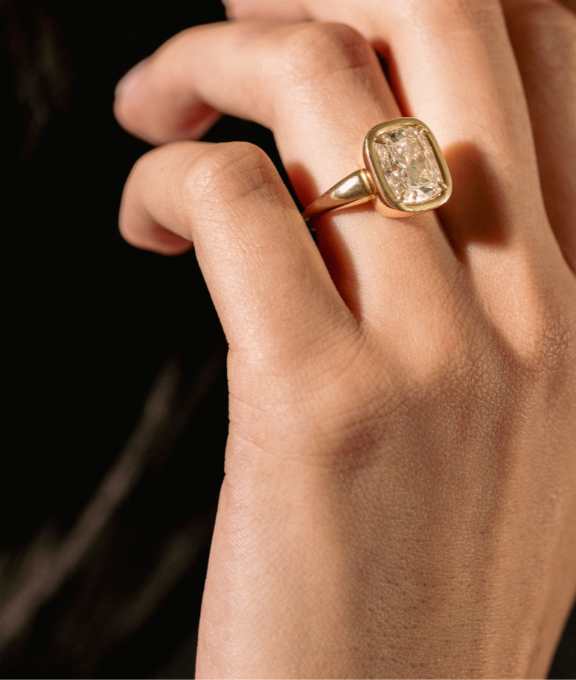
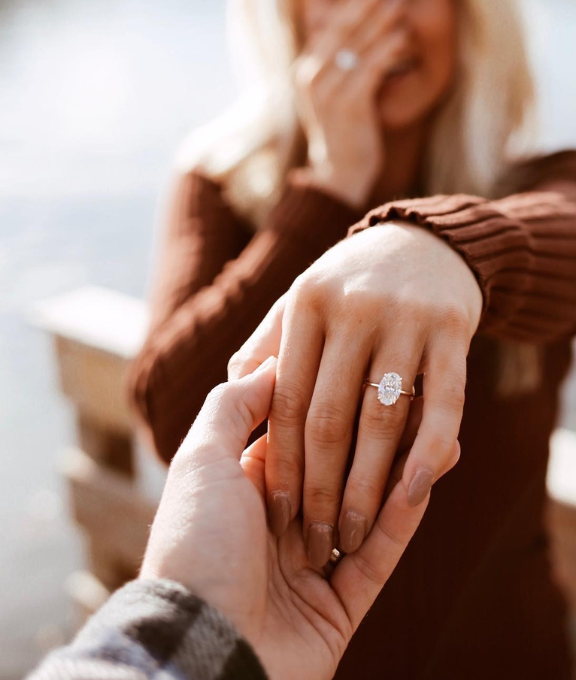
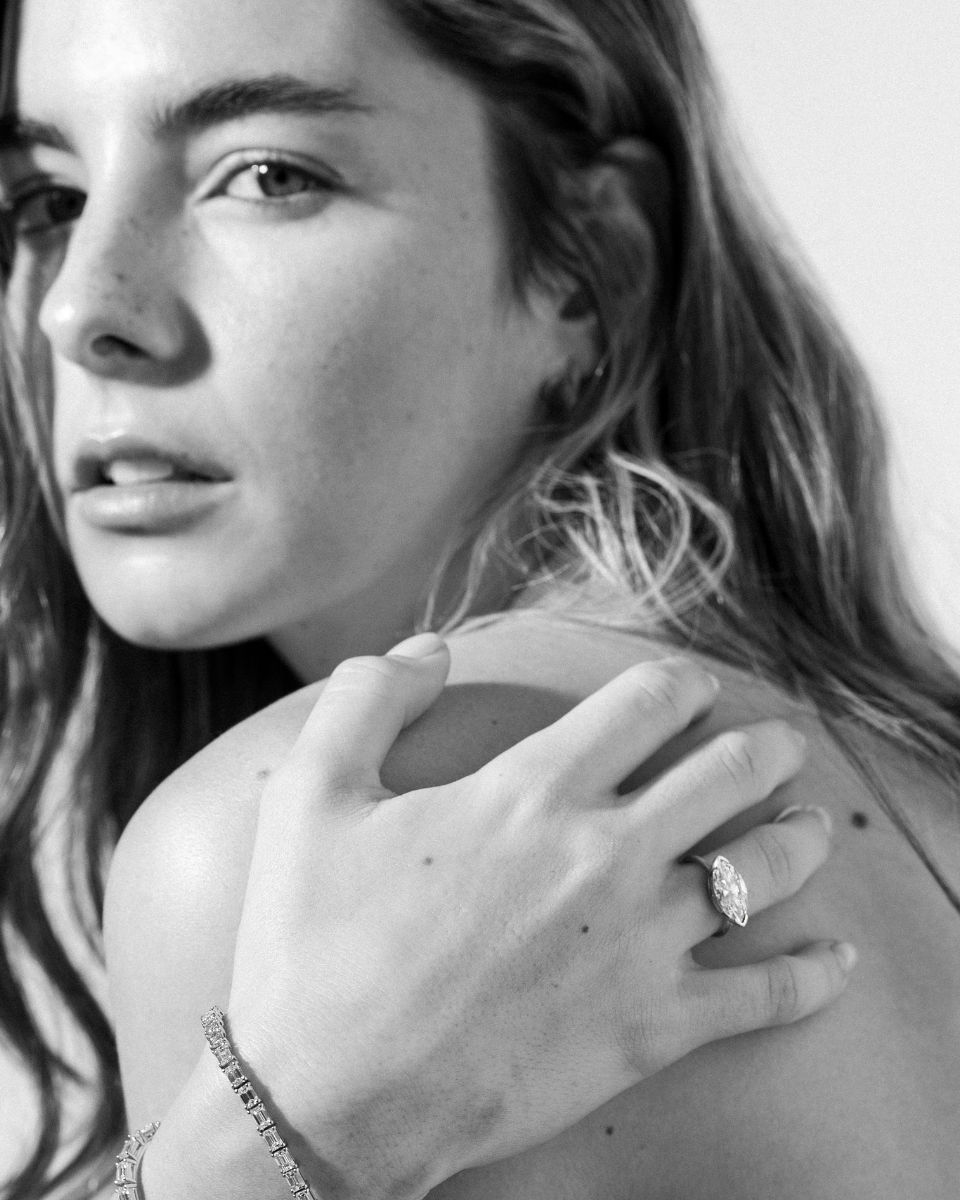
For round brilliant and other brilliant-cut stones, the VS2 to SI1 range often offers strong value. Common brilliant-style cuts include:
- Oval
- Cushion
- Radiant
- Marquise
- Pear
These cuts have many small facets that scatter light, making inclusions harder to see, even at lower clarity grades.
A round cut diamond with a VS2 or SI1 grade usually appears clean without magnification. In some cases, even SI2 round diamonds look fine when viewed without special tools. GIA notes that features present in VS and VVS diamonds are typically not visible without magnification, making the visual difference between VS2 and VVS1 negligible in daily wear.
For a 1.20-carat round diamond, choosing an eye-clean SI1 instead of a VVS2 can save over $1,700, based on current market pricing. These savings can be used toward a better cut, a larger stone, or a higher-quality setting.

For round brilliants and other brilliant-cut shapes like ovals, cushions, and radiants, the VS2 to SI1 range typically offers the best balance of appearance and value.
Step Cuts Need Higher Clarity
Emerald and Asscher cuts have long, open facets that make inclusions easier to see than those in brilliant cuts. For step-cut diamonds, VS1 or higher is usually the best choice. Dropping to VS2 or SI1 with these cuts increases the chance of visible inclusions, especially as carat weight increases.
Larger diamonds typically require higher clarity grades. Bigger facets make the interior more visible. For stones above 1 carat, and especially above 2 carats, a higher clarity grade can be more practical.

Emerald and asscher cuts have long, open facets that make the diamond's interior far more visible than in brilliant cuts.
Cut Quality Changes the Equation
A well-proportioned cut can make inclusions less noticeable. The way light travels through a diamond can obscure small internal features, while a poorly cut diamond may reveal even minor inclusions.
Focusing on cut quality, along with a reasonable clarity grade, results in a more attractive diamond than prioritizing clarity alone.
Pay Attention to Who Graded the Diamond
Not all grading labs use the same standards.
- GIA and AGS are considered the most consistent grading systems.
- Diamonds graded by less stringent labs may have ratings inflated by two to four grades compared to GIA.
- A diamond graded SI1 by a weaker lab might be graded I1 by the GIA.
- The same applies to color grades.
Some manufacturers submit the same diamond to multiple labs to seek a higher grade. Because color and clarity are not perfectly objective, a diamond may receive different ratings from different labs. Choosing GIA-certified diamonds helps reduce this uncertainty.

Choosing GIA-certified diamonds removes that uncertainty and ensures the grade you're paying for reflects a consistent, widely accepted standard.
Lab-Grown Diamonds and Clarity
According to GIA, more than 95% of lab-grown diamonds are colorless to near-colorless and have VS1 clarity or higher. The production process allows for greater control, making high clarity common and less expensive than in natural stones. For example:
- Lab-grown, Internally Flawless (1 carat): $4,000–$6,000
- Natural, Internally Flawless (1 carat): $15,000–$20,000
Beginning in October 2025, GIA introduced a new grading format for lab-grown diamonds, using “Premium” and “Standard” labels instead of the traditional clarity scale. This change reflects the fact that most lab-grown diamonds fall within a narrow range of high quality, making the full 11-grade scale less relevant.
If you are considering lab-grown, GOODSTONE offers both natural and lab-grown options. We can help you compare stones side by side so the clarity grade you choose aligns with your preferences and budget.

Starting in October 2025, GIA replaced the traditional 11-grade clarity scale for lab-grown diamonds with Premium and Standard labels, reflecting the fact that nearly all lab-grown stones already land at the top of the old scale.
How to Choose the Right Clarity Grade
For brilliant-cut diamonds under 2 carats, a VS2 or SI1 grade with GIA certification will look the same as a VVS or Flawless stone in normal viewing conditions. The price difference between those grades can be significant, and those funds can be used toward better cut quality or carat size rather than an invisible clarity upgrade.
For step-cut diamonds, aim for VS1 or higher. For stones above 2 carats, consider choosing a higher grade than you would for a smaller diamond. Always confirm the grading lab before making a purchase, as the grade only holds value when the lab is consistent and reputable.



Leave a comment (all fields required)