





Diamond Shape vs. Diamond Cut: What’s the Difference?
One field on a lab report reads Shape and Cutting Style, naming the outline and its faceting on a single line, while the graded Cut score from Excellent to Poor appears on round brilliants alone. Shape is the silhouette you pick by taste, while cut is the harder word, because it names how a stone is faceted and, separately, the quality of the work behind it. Almost every mix-up between the two traces back to that one word doing two jobs, and the confusion can cost a buyer money at the counter.

Diamond shape and diamond cut may sound interchangeable, but they influence a stone in completely different ways. One defines the silhouette you love, while the other determines how beautifully the diamond handles light.
The Root of the Shape-and-Cut Mix-Up
Most first-time buyers walk in believing a shape name settles the quality question. Someone hears “princess cut” and takes it as a promise that the stone is well-made, when the phrase only means the outline is square. The word cut appears in dozens of these names, and it starts to sound like a grade even where no grade exists.
That assumption is the expensive one. A shape name says nothing about how skillfully the stone was faceted or how much light it gives back. Two princess-cut diamonds at the same price can look nothing alike in person, and a buyer who reads the label as a guarantee has no way to tell them apart. What the outline promises and what the craft delivers are two separate questions.

A shape name tells you what a diamond looks like, not how well it was crafted.
Shape: The Outline You Choose
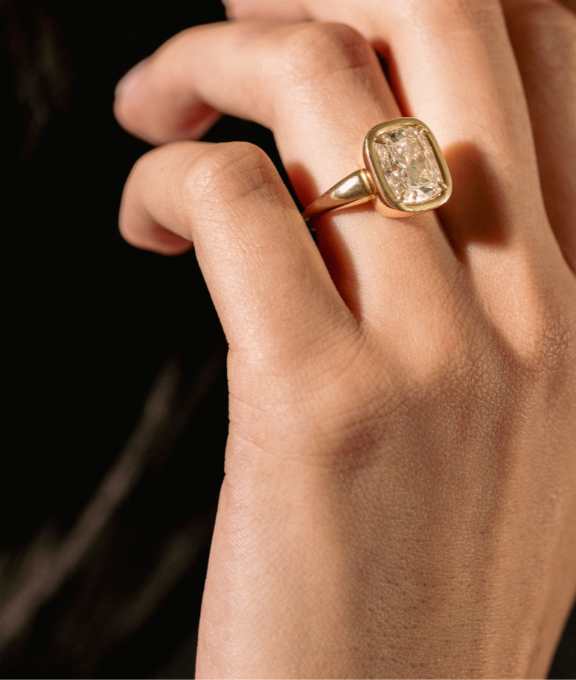
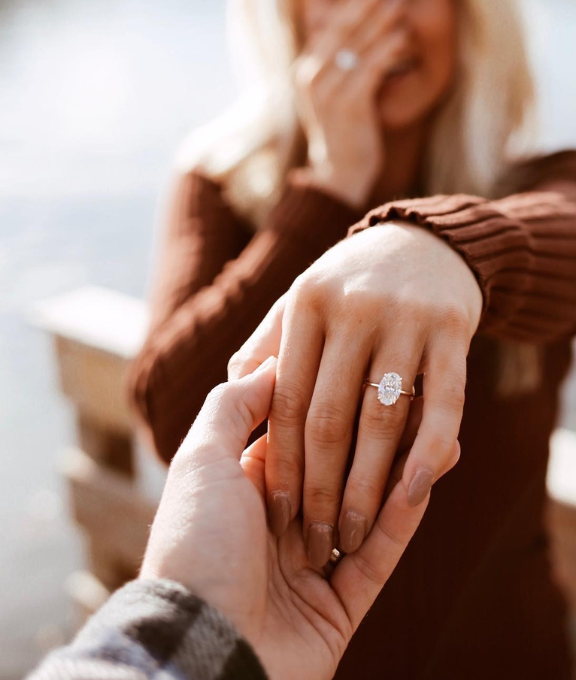
Shape is the outline you see looking straight down at the stone, the silhouette you notice on the hand. Round, oval, pear, marquise, emerald, cushion, each names a profile and nothing more. Choosing among them comes down to taste and the look someone wants on a finger.
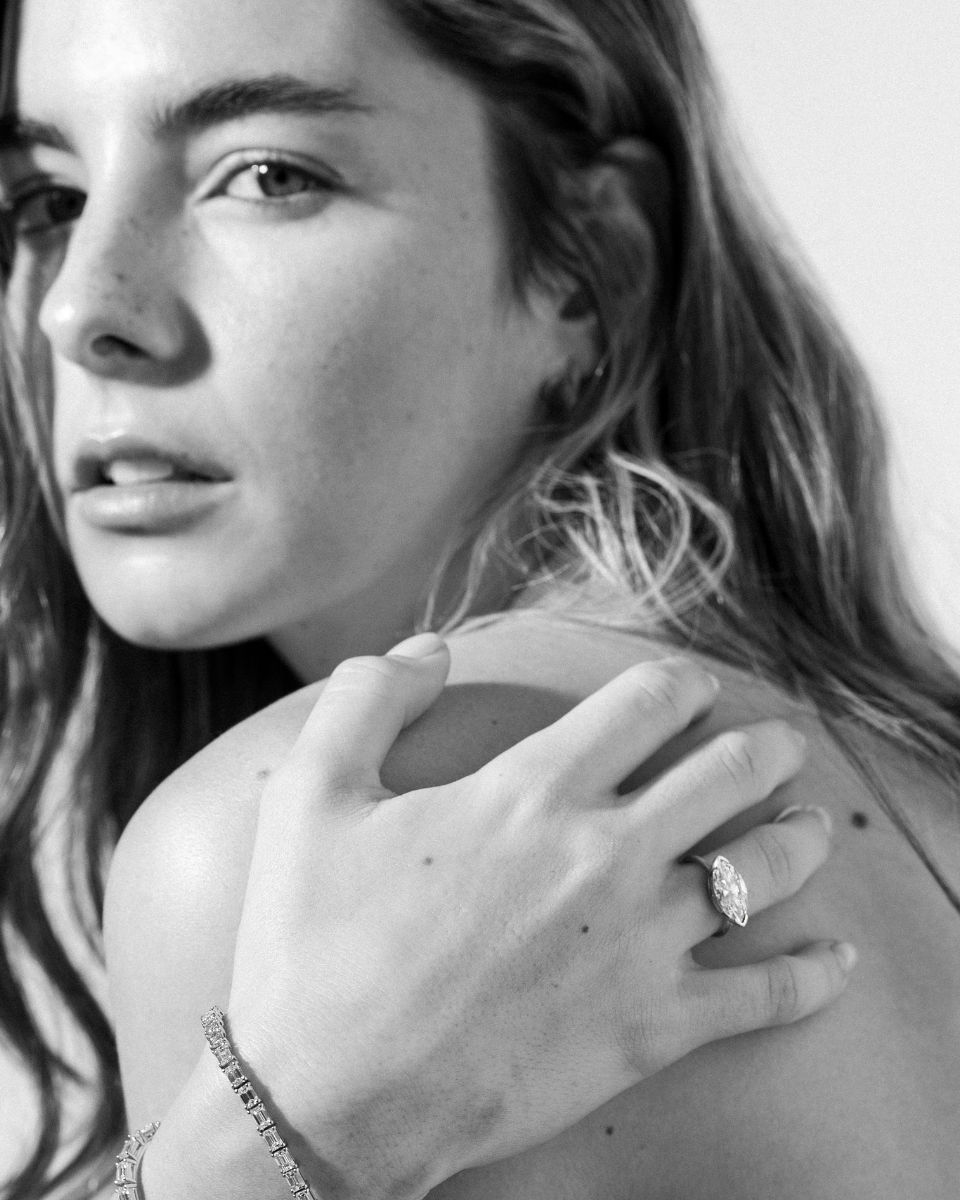
A shape has stylistic associations, though none of them measure quality. Emerald and asscher outlines look architectural and restrained, while round and oval shapes return the most sparkle for most eyes. A marquise or a pear lengthens the finger and can look larger for its weight. None of that describes how good any single stone is, only the family it belongs to, and every family holds beautifully made examples and poorly made ones.

Whether you prefer a timeless round cut, an architectural emerald cut, or an elongated marquise, the right silhouette is the one that feels most like you.
Cut as a Faceting Style
The first meaning of cut has nothing to do with quality. It describes how the facets are arranged on the stone, the pattern worked into its surface. Two broad families cover most diamonds. Brilliant faceting uses many triangular and kite-shaped facets angled to bounce light in every direction, which gives a round brilliant its lively sparkle. Step faceting uses long, flat facets set in even rows, producing the calm, stepped flash you see in an emerald cut.
This is where the trade’s language doubles back on itself. An emerald cut names a rectangular shape and a step-cutting style at once, because that outline almost always comes faceted that way. The naming habit is old and practical, and it is also why cut keeps sounding like one thing when it is really two ideas wearing one label.
How the two families behave in the light is a longer subject. Here the point is narrower. A faceting style is a design choice that says nothing about quality, and a brilliant-faceted stone and a step-faceted stone are built to do different things.

Faceting style determines the kind of beauty a diamond reveals. Brilliant facets create lively sparkle, while step facets offer broad, elegant flashes of light.
Cut as a Quality Grade
The second meaning is the one people have in mind when they call a diamond well made, and it is a true quality judgment. Here, cut measures how well a stone was proportioned and polished, and how precisely its symmetry lines up, all of which decide how much light it returns to the eye.
Grading labs score this on a five-step scale from Excellent down to Poor. A high-grade stone looks alive in everyday light. A low-grade stone can look flat and washed out at the same carat weight and color.
This is also where the rules narrow. Only the standard round brilliant receives an official overall cut grade. That grade grew out of years of research into how proportions affect how a round stone handles light, and it applies to that one silhouette. For every other shape, no such summary grade is printed at all, which surprises buyers who go looking for it.
The scale itself, and how Very Good reads against Excellent, is a separate question. What matters here is that cut quality comes from the cutting itself, and no shape name confers it.

Cut quality is what brings a diamond to life. Precise proportions, symmetry, and polish allow the stone to return light beautifully instead of letting it escape.
Shape and Cut on the Lab Report
Nothing separates the two ideas better than the way a lab report lays them out, in different places and for different reasons.
The Shape and Cutting Style Field
Every diamond report includes a line labeled Shape and Cutting Style. It looks like a plain description, something like Round Brilliant, Pear Brilliant, or Emerald Cut. It appears for every stone regardless of quality. This is where shape and faceting style come together, which is exactly why the two are often bundled together in everyday talk. It shows the outline and the faceting pattern, and it makes no claim about how skillfully the stone was cut.

The Shape and Cutting Style line describes the diamond’s outline and facet pattern.
The Cut Grade Line
The graded Cut line, the one running from Excellent to Poor, shows up only when the stone is a standard round brilliant. On an oval, a cushion, or an emerald cut, that line is simply absent. The report instead gives you polish and symmetry grades, along with measurements and a proportion diagram to read.
Seeing a fancy shape with no cut grade is normal and correct. It does not mean the stone was skipped or that it is inferior, only that no single grade exists for that silhouette, which is why an informed buyer stops looking for one.

Fancy shapes require a closer look at their proportions, symmetry, and movement rather than relying on one printed score.
The Shopping Order
Knowing the difference changes the order in which you shop. Shape comes first, because it is the one part of the decision that is purely yours. No grade can tell you an oval suits your hand better than a cushion. Once the outline is settled, cut quality becomes the thing to press on, and it decides how much life the stone shows every day, long after the paperwork is filed in a drawer.
For a round brilliant, the printed cut grade does much of that work, and aiming for the top of the scale is the reliable move. For a fancy shape, the judgment returns to the buyer. With no overall grade to lean on, you read polish and symmetry, weigh the length-to-width ratio for the look you want, and trust your own eye on video or in person more than any label.
A retailer who advertises a confident cut grade on a princess or cushion is offering an in-house opinion, since no lab issues one for those shapes, and it helps to know that before the number does any persuading.
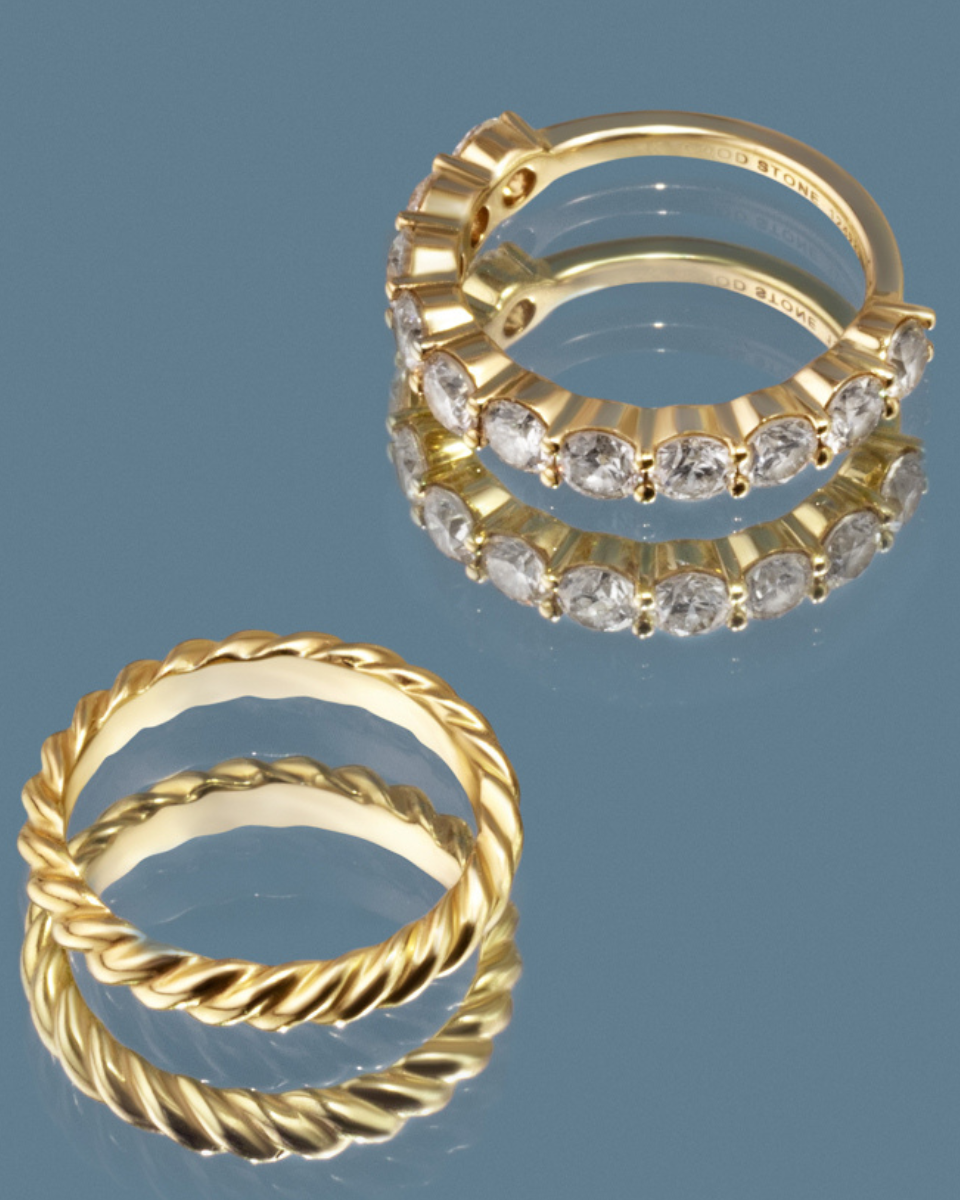
GOODSTONE files its shapes under a cuts menu like most of the trade. The naming habit is at the center of the confusion, and its designers build rings to order across natural and lab-grown stones. A buyer can settle the shape by taste and then weigh cut quality with someone who handles both decisions daily, which turns the difference into something you can see in the stone itself.

Choose the shape with your eye and evaluate the cut with intention. Once you find the silhouette you love, focus on how the individual diamond performs in real light.
Frequently Asked Questions
Is a round cut a shape or a cut?
Round is a shape. Round cut is everyday shorthand that pairs the round outline with its standard brilliant faceting. It is also the one silhouette the grading labs give an official overall cut grade, which is part of why the term gets used so loosely.
Is princess cut a shape or a quality grade?
Princess cut names a shape, the square outline, along with its brilliant faceting style. It is not a quality grade. The grading labs do not assign an overall cut grade to princess-cut stones, so the name tells you the look and nothing about how well the stone was made.
Why do jewelers call diamond shapes “cuts”?
Certain outline-and-faceting pairings grew so widespread that they earned names built on the word “cut,” like princess cut or emerald cut. From there, the trade began to use “cut” and “shape” interchangeably in casual speech. It is a naming habit with no technical rule behind it, and most retailers group their shapes under a “cuts” heading for the same reason.
Does every diamond get a cut grade?
No. The grading labs assign an overall cut grade, Excellent to Poor, only to standard round brilliant diamonds. Fancy shapes receive polish and symmetry grades but no single overall cut grade.
Why don’t fancy-shaped diamonds have a cut grade?
Their facet patterns and the way they handle light vary too widely for one standard to fit them all. There is also no industry-wide agreement on the ideal proportions for each fancy shape, and the labs stop short of issuing an overall cut grade for them.
What does cutting style mean on a diamond?
Cutting style is how the facets are arranged on the stone. The two main families are brilliant faceting, with many small angled facets cut for sparkle, and step faceting, with long parallel facets that give a bright, uniform flash. It describes a design category and says nothing about quality.
What is the difference between a brilliant cut and a step cut?
Brilliant cuts use dozens of small angled facets that bounce light in every direction, which produces lively sparkle. Step cuts use long, flat, parallel facets arranged in even tiers, producing long, calm flashes and revealing the stone’s clarity more openly.
Should I choose the shape or the cut first?
Choose the shape first, since that is the part driven by taste and how the stone looks on the hand. Then judge cut quality, along with the other 4Cs, within that shape and your budget. Cut quality decides everyday sparkle, and it deserves close attention once the outline is set.
Can two diamonds of the same shape look different?
Yes. Two stones sharing a shape name and similar grades can look quite different because their faceting can differ. A chunky cushion and a crushed ice cushion share the same shape label yet scatter light in their own ways, which is why images or an in-person look tell you what the paperwork cannot.
How do I judge cut quality on a fancy shape with no cut grade?
Read the polish and symmetry grades and aim high on both. Weigh the length-to-width ratio for the proportions you want, and look hard at the stone’s sparkle in video or in person. Your own eye is the most reliable tool when no overall cut grade is printed.
Does a diamond’s cut affect its shape?
No. Cut covers the faceting and proportions, which change how light moves through the stone while leaving its outline untouched. A heart can be cut shallow or deep and remains a heart shape either way.
If a retailer lists a cut grade for a princess- or cushion-cut, is it official?
No. Because no lab issues an overall cut grade for fancy shapes like princess or cushion, any cut grade a retailer advertises on them is an in-house opinion. It can still be useful information, but it does not have the authority of a lab grade.



Leave a comment (all fields required)