





What Makes a Good Engagement Ring Setting for Active Lifestyles?
Some rings look perfect in a velvet box, but don’t hold up once you start your regular activities. Gripping a barbell, digging in the garden, or missing a climbing hold can leave a raised stone loose or the band scratched.
The setting you pick for an engagement ring determines how often you’ll wear it. If a ring spends most of its time in a drawer out of concern for damage, it may not have been the right choice for your lifestyle.
Before choosing a design, consider which structural choices stay secure when your hands are always in motion.

A ring that looks perfect in a velvet box doesn't always hold up once real life begins, gripping a barbell, gardening, or climbing can leave a raised stone loose or a band scratched.
Settings That Protect the Stone
The way a stone sits in its band matters more than most people realize when they’re buying a ring. Two of the most reliable options for active wearers are bezel and channel settings.
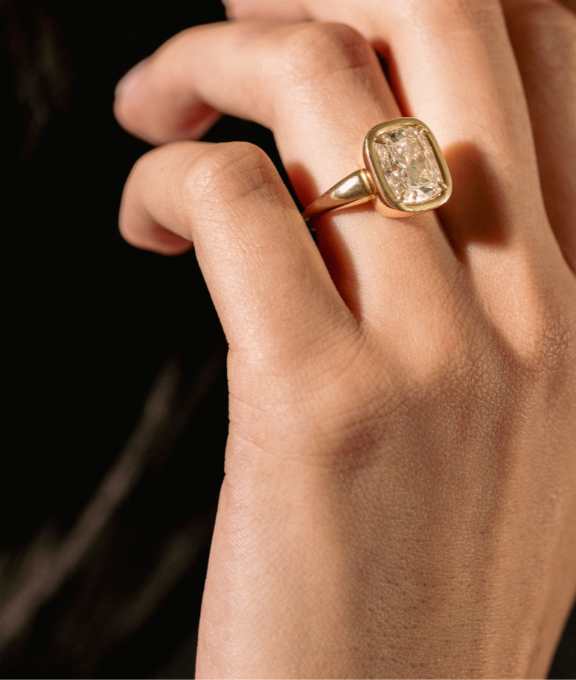
A bezel setting:
- Wraps a thin strip of metal around the entire perimeter of the stone, holding it firmly and covering the girdle.
- Helps prevent the center stone from falling out and protects it against accidental bumps, according to the Gemological Institute of America.
- Has no exposed edges so that it won't catch on gloves, ropes, or equipment.
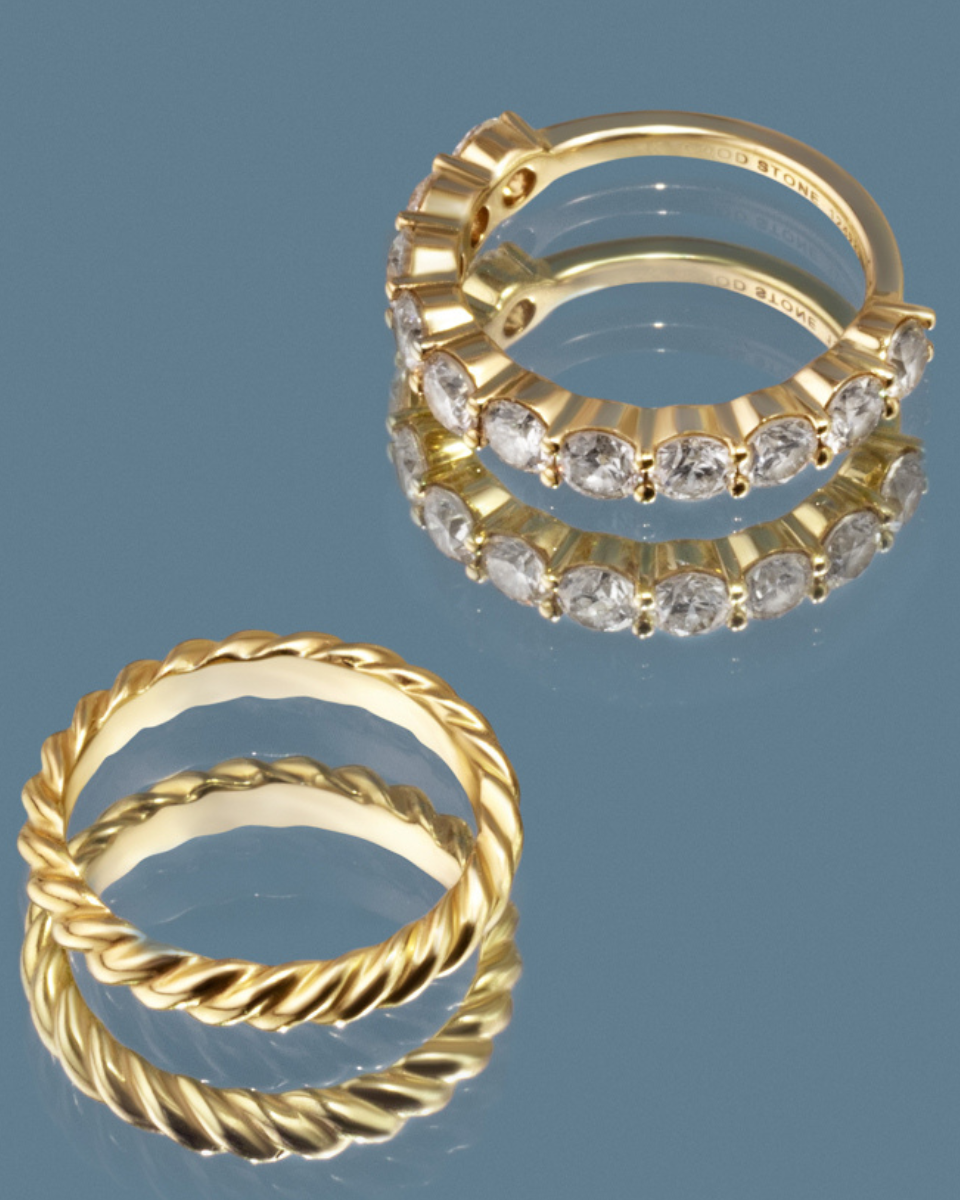
Channel settings work on a similar principle but apply to the smaller stones along the band. Diamonds sit between two parallel metal walls, so nothing protrudes above the surface.
GOODSTONE’s channel-set options offer added protection and a smoother surface suited for everyday wear. If you want continuous sparkle along the band without worrying about snagging, this setting is practical.
If you prefer prongs, the number you choose matters:
- A 4-prong setting shows more of the diamond.
- A 6-prong setting provides a built-in safety net.
- The Gemological Institute of America notes that if one prong breaks on a 6-prong setting, the other five will probably hold the stone in place.
- This redundancy is useful if your hands frequently come into contact with each other.

Bezel and channel settings are the two most reliable options for active wearers.
Why Diamond Shape Matters More Than You Think
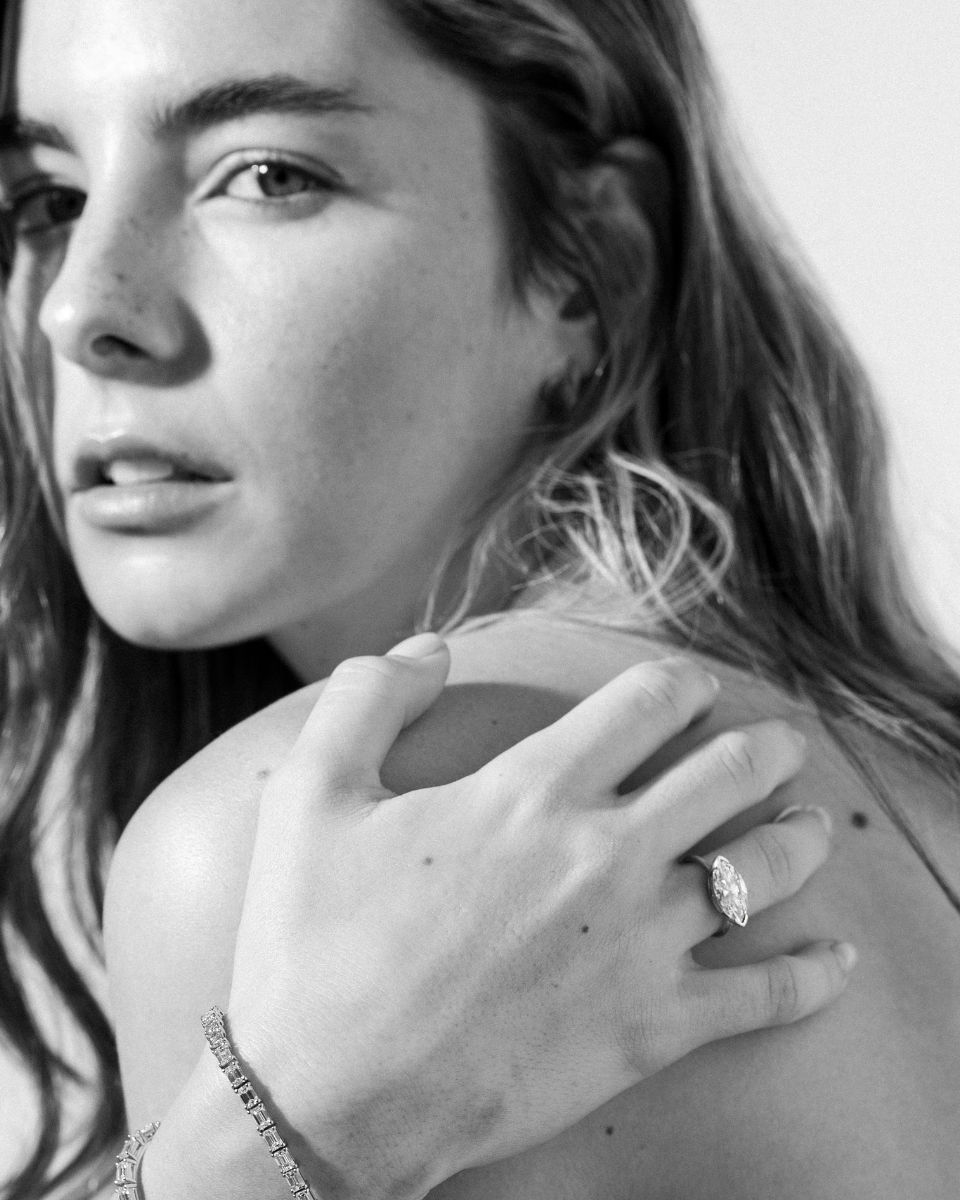
Not every diamond cut handles impact the same way. Shapes with sharp corners or thin points are more prone to chipping. GIA identifies princess, marquise, pear, and heart cuts as being more vulnerable than round or oval options.
If you prefer one of those shapes, consider these protective measures:
- Use V-shaped prongs or partial bezels to shield corners and tips.
- The Gemological Institute of America recommends V-shaped prongs for princess-cut diamonds.
- Pair your chosen shape with the right protective setting to keep it secure.

Shapes with sharp corners or pointed tips, like princess, marquise, pear, and heart cuts, are more prone to chipping from impact than round or oval options.
Low-Profile Designs and Comfort
A ring with a high-sitting stone will catch on things. It will bump against weights, handles, steering wheels, and pockets. Low-profile settings keep the gemstone closer to the finger, reducing the risk of impact and making the ring more comfortable to wear throughout the day.
Our flush-fit option takes this a step further. The diamond sits nearly level with the ring’s surface, creating a smooth profile. This also allows the ring to stack cleanly with a wedding band, a practical detail that can be overlooked during the design process.
A comfort-contoured inner bevel on the band helps with all-day wear, especially during activities where your hands may swell slightly. This helps to:
- Reduce pressure points.
- Improves overall comfort.
- Make it easier to remove the ring if your fingers swell.

A high-sitting stone catches on everything, weights, handles, pockets, steering wheels, while a low-profile setting keeps the diamond closer to the finger and significantly reduces the risk of impact throughout the day.
Choosing the Right Metal
The metal you pick will determine how well the ring holds up over years of daily use. Platinum is the most durable option available. It’s about 60% heavier than 14k gold, and when it gets scratched, the metal displaces rather than wearing away. That means platinum rings maintain their mass over time, even with regular contact and friction.
If you prefer gold, the karat level matters a lot. Eighteen-karat gold contains more pure gold and is softer, so it scratches more easily. Fourteen-karat gold is harder, more scratch-resistant, and generally recommended for people who are hard on their hands.
We offer 14k and 18k gold, as well as platinum, across our engagement ring collection so that you can match the metal to your activity needs.
Palladium is another option recommended by the Gemological Institute of America. It is strong, lightweight, hypoallergenic, and tarnish-resistant. Palladium rings are less dense than platinum, so they feel lighter on the finger. For those who prefer lighter rings during activity, the weight difference is noticeable.
Silver is not recommended for engagement rings. It is softer, tarnishes easily, and does not hold up well to regular wear.

Platinum is the most durable option for everyday wear as it displaces rather than loses metal when scratched, maintaining its mass over time even with regular contact and friction.
When to Take Your Ring Off
There are moments when even the best-built ring should come off your finger. The Knot notes that most jewelers recommend removing your engagement ring before working out, especially at the gym. Lifting heavy weights or gripping barbells can chip a diamond, and even lower-impact activities like running on a treadmill carry some risk.
Body temperature also plays a part. During exercise, your fingers can swell from increased heat and blood flow, which can put pressure on the band and make it uncomfortable or difficult to remove. GIA adds that exercise, gardening, and accidental contact all take a toll on rings over time.
Keep your ring safe by:
- Using a small pouch or ring box in your gym bag or travel kit.
- Avoid tossing it loose into a pocket or bag, where it can get scratched or knocked around.

Even the best-built ring should come off for heavy lifting, intense gym sessions, and other high-impact activities.
Maintenance and Inspections
Caring for your ring at home is straightforward. We recommend mixing mild soap with warm water, letting the ring soak for 20 to 30 minutes, then cleaning it with a soft brush while focusing on the diamonds. Rinse under warm water, dry with a lint-free cloth, and check for any loose stones. Doing this about once a week keeps the buildup from dulling the stone.
Professional inspections are equally important. Getting your prongs checked every six months helps catch damage before a stone falls out. If that seems like a lot, using your wedding anniversary as a reminder is a simple way to stay on track. Jewelers Mutual recommends professional cleanings twice a year, and for rings worn regularly, inspections every 3 to 4 months may be even better.
We include lifetime repairs, lifetime resizing, free cleaning, and free prong checks with every ring we sell. These services don’t expire and carry no additional cost, so using them in year 1 or year 20 works the same way. For active wearers, knowing that maintenance is covered long-term removes a lot of the worry that comes with wearing a fine piece daily.

A weekly soak in mild soapy water and a soft brush keeps buildup from dulling the stone, while professional prong inspections every six months catch damage before a stone works loose.
Building a Ring That Fits Your Life
All of our rings are handcrafted by generational artisans in Los Angeles using durable gold and platinum alloys. We also use 100% recycled precious metals, refined to match the quality of newly mined materials while consuming 95% less energy.
Our design process pairs you with a single expert designer who guides the project from the first conversation through final approval. Instead of being passed between departments, you work with someone who understands your preferences and makes recommendations based on your specific situation.
If you want a bezel setting in platinum with a low-profile, flush fit, we can make that happen. If you prefer a 6-prong round diamond in 14k gold with a channel-set band, that’s also possible.
An engagement ring for an active lifestyle doesn’t need to look plain or overly utilitarian. The right mix of setting, metal, stone cut, and profile can produce something that’s both beautiful and built to last through years of daily wear. You should be able to wear it, not store it. That’s the whole point of putting it on your finger in the first place.



Leave a comment (all fields required)