





Sustainable Wedding Checklist: Jewelry, Attire, Florals, and Favors
You're planning your wedding and thinking about sustainability. Good. More couples are making these same choices in 2025. They want weddings that feel personal while reducing environmental harm. This means rethinking every choice from rings to flowers to the small gifts guests take home.
Let's walk through each category together. I'll show you what works, what doesn't, and how to make decisions that align with your values.

Starting with Jewelry
Your wedding rings will stay with you forever. That permanence makes them worth extra thought. The jewelry industry has responded to couples asking hard questions about sourcing and production. You have three main paths to consider.
Recycled Metals Make Sense
Mining new gold creates problems. The World Gold Council reports that producing one gold ring from newly mined metal generates over seven tons of waste rock. It also produces up to 20 tons of tailings contaminated with cyanide and mercury. Those are facts worth sitting with for a moment.
Recycled metals avoid these issues entirely. The Sustainable Jewelry Association found in 2024 that using recycled precious metals can reduce carbon dioxide emissions by 60 to 80 percent compared to mining new ore. The metal looks identical. It costs roughly the same. But the environmental cost drops dramatically.
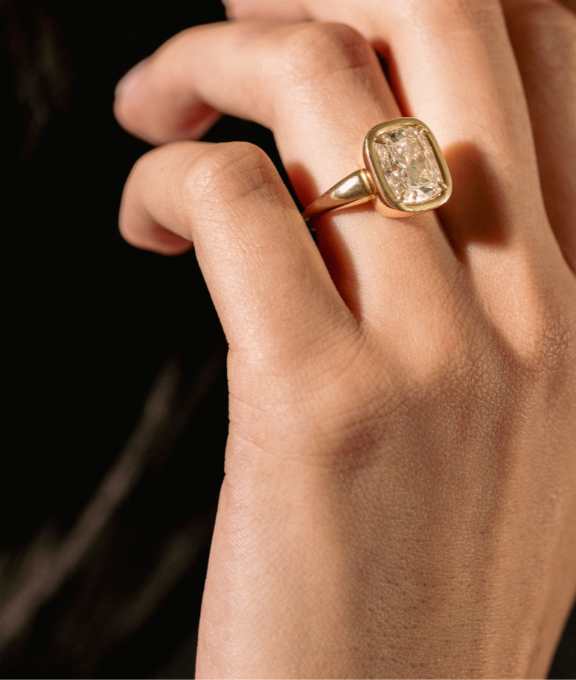
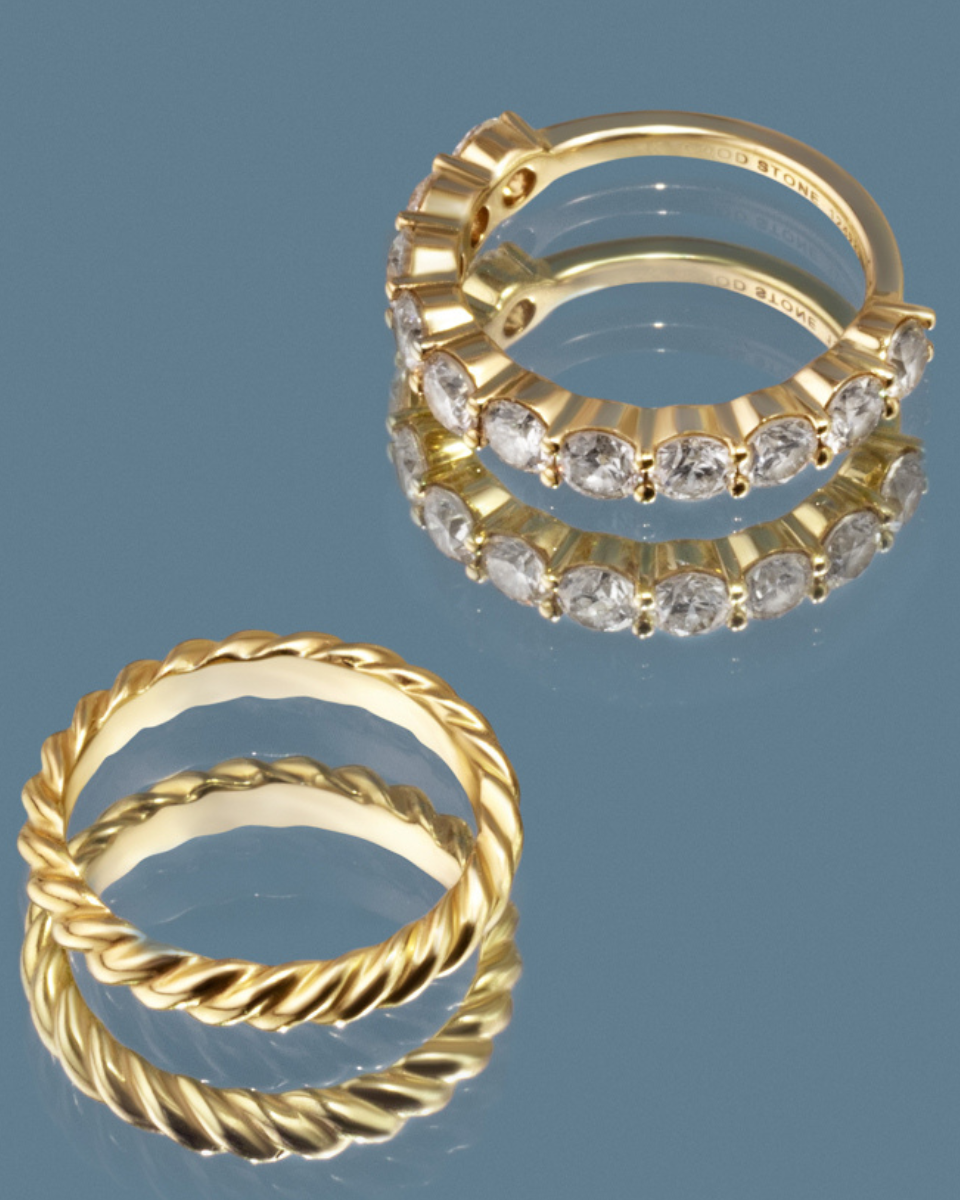
When you shop for rings, ask directly about recycled content. Request documentation. Many jewelers now provide certificates showing the percentage of recycled metal in each piece. GoodStone uses only recycled metals in its collections, with third-party audits verifying its supply chain. This transparency helps you know exactly what you're buying.
Lab-Grown Stones Changed the Game
Lab-grown diamonds aren't alternative diamonds. They're actual diamonds, created in controlled conditions rather than mined from the earth. The International Gemological Institute reported in 2024 that these stones use 60 to 90 percent less water and energy than mined diamonds. They also produce less than one-fifth of the greenhouse gas emissions over their lifecycle.
The numbers tell one story. Your personal preferences tell another. Some couples prefer the romance of natural stones formed over millions of years. Others appreciate knowing exactly where and how their diamond came to be. In 2025, over 25 percent of newly engaged US couples choose lab-created stones for at least one piece of wedding jewelry.
Price plays a role too. Lab-grown diamonds typically cost 30 to 40 percent less than mined equivalents. That difference might let you choose a larger stone or put money toward other wedding priorities.

Vintage Pieces Carry Stories
Buying vintage or heirloom jewelry requires no new resource extraction at all. Online vintage wedding jewelry sales rose 18 percent year-over-year in 2024. Couples cite both the environmental benefits and the unique character of older pieces.
You might start with family jewelry. Does your grandmother have a ring she'd love to see worn again? Can your partner's father's cufflinks become part of your ceremony? These pieces connect your wedding to your family history in tangible ways.
If family pieces aren't available, vintage shops and estate sales offer endless options. Each piece has already lived one life. You're giving it another chapter. Celine Thal from the Responsible Jewelry Council calls this approach the gold standard: "Buying pre-loved pieces, or having them upcycled locally, keeps jewelry circulation at a near-zero carbon cost and carries powerful personal symbolism."

Making Your Jewelry Decision
Start by deciding what matters most to you. Is it knowing the exact source of materials? Having a completely new piece? Minimizing environmental impact? Your answer shapes your path forward.
Then research thoroughly. Look for brands with independent sustainability certifications like SCS-007, RJC, or Fairmined. Ask for supply chain documentation. Compare recycled content percentages. If you're considering vintage, have pieces evaluated by an independent appraiser.
Remember that perfection isn't the goal. Even small steps toward sustainability matter. A ring with 50 percent recycled gold beats one with none. A lab-grown side stone paired with a vintage center stone creates its own meaningful combination.

Choosing Wedding Attire
Your wedding outfit creates memories and photographs that last forever. It also typically gets worn once. This combination makes sustainable choices particularly valuable. Let's look at what actually works.
Vintage and Secondhand Options
Purchasing or renting vintage wedding attire can reduce carbon impact by up to 85 percent, according to a 2024 lifecycle assessment from the EcoWedding Institute. The math is simple: the dress or suit already exists. No new production means no new emissions.
Zola's 2025 wedding trend report shows that 17 percent of couples source at least some apparel secondhand. Vintage shops now specialize in wedding attire, with many offering alterations to ensure perfect fit. You might find a 1960s silk gown that feels more "you" than anything currently in production. Or discover a perfectly preserved morning coat that adds genuine character to your ceremony.
Quality often surprises people shopping vintage. Older garments frequently feature better construction and materials than modern fast fashion. Hand-sewn details, real silk linings, and careful tailoring were standard in past decades. These pieces have already proven their durability by surviving this long.
Rental Markets Expanded
Dress rental moved beyond basic options. Companies like Rent the Runway and By Rotation now offer designer wedding gowns. Local tailoring shops joined this market too, often with more personalized service. The 2025 WedMeGood Industry Report found bridalwear rental in India increased 24 percent year-over-year.
The environmental math favors rental strongly. Experts estimate that a single gown worn once and then discarded generates upward of 80 kilograms of CO2-equivalent through production, shipping, and waste. Sharing that gown across multiple wearers cuts per-wear impact by roughly 90 percent.
Cost savings matter too. Renting a $5,000 designer gown might cost $500. That leaves budget for other priorities or simply reduces wedding debt. Some rental companies include cleaning, storage, and shipping in their fees, eliminating post-wedding tasks.
But rental has limitations. Alterations usually aren't possible beyond basic hemming. You return the dress immediately after your wedding. Some couples find this freeing. Others want to preserve their outfit for sentimental reasons. Know which camp you're in before committing.
New Sustainable Designers
If you want something new, sustainable designers offer real options. These brands use organic cotton, linen, TENCEL, hemp, and recycled synthetics. Third-party certifications like GOTS, OEKO-TEX, or Recycled Claim Standard verify their claims.
Local makers provide another path. Many now source bolt-ends, surplus luxury fabrics, or repurpose family textiles. That parent's wedding dress becomes the bodice of your gown. A ceremonial scarf transforms into a vest lining. These approaches reduce waste while creating deeply personal garments.
The carbon cost varies widely. A typical new wedding dress using traditional production and international shipping ranges from 15 to 30 kilograms CO2-equivalent. Choosing local production and minimal packaging cuts this substantially. Some companies now offer take-back schemes where garments get professionally cleaned and then donated, upcycled, or recycled after your event.
Practical Attire Decisions
Start by honestly assessing your priorities. Will you genuinely preserve and revisit your wedding outfit? Or will it sit in storage indefinitely? Your answer guides your choice between buying and renting.
Visit vintage shops early in your planning. Vintage shopping takes time and patience. You might need several trips to find the right piece. Alterations also take longer with vintage garments, as tailors work carefully with older fabrics.
If renting, book early and read contracts carefully. Understand damage policies and timeline requirements. Try on multiple sizes if possible, as vintage and designer sizing varies widely from modern standards.
For new sustainable pieces, verify claims thoroughly. Request information about fabric sources and production locations. Look for specific certifications rather than vague sustainability language. Ask about end-of-life options for the garment.
Planning Your Florals
Flowers bring color and life to your wedding. They also present clear opportunities for sustainable choices. The conventional flower industry relies heavily on refrigerated transport, synthetic pesticides, and single-use packaging. You can avoid most of these issues with thoughtful planning.

Local and Seasonal Flowers Win
US and UK research finds local flowers can lower embedded carbon emissions by up to 90 percent compared to air-freighted imports. Those tropical blooms might look beautiful, but they traveled thousands of refrigerated miles to reach you.
A 2024 survey from the Association of Specialty Cut Flower Growers found 65 percent of eco-conscious couples request arrangements designed around natural bloom calendars. This means peonies in May, sunflowers in August, dahlias in September. Your florist should know what grows nearby during your wedding season.
Local flowers often cost less too. No international shipping or extended cold storage reduces prices. You might afford more generous arrangements when choosing flowers from a farm 20 miles away versus 2,000.
Working with seasonal availability requires flexibility. You probably can't have tulips in August or roses in December without imports. But seasonal flowers create cohesion with your wedding date and location. Spring wildflowers suit a garden wedding. Autumn dahlias complement a barn reception.
Organic and Pesticide-Free Growing
Several major florists and grower alliances now offer verified chemical-free bouquets. Flowers from the Farm in the UK and Certified American Grown in the US provide these options. These flowers support pollinators and biodiversity while avoiding harmful runoff.
Organic blooms might show minor imperfections. A small bug bite on a leaf. Slightly irregular petal formation. These natural variations add character that some couples prefer to uniform perfection. They prove your flowers grew in real soil, not a sterile greenhouse.
Regenerative flower farming goes further, planting flowers within rotational cropping systems. This improves soil health and farm resilience. Ask your florist about farms using these practices. They might charge slightly more, but you're supporting agricultural systems that build rather than deplete land.
Sustainable Packaging and Display
Traditional floral foam contains microplastics and formaldehyde. It doesn't biodegrade. Ever. The Sustainable Wedding Summit strongly recommends avoiding it entirely. Florists can use chicken wire, branches, or reusable structures instead.
Biodegradable wrapping now replaces plastic easily. Studies show this switch alone reduces plastic use by 75 percent for events over 50 guests. Request compostable wraps and ribbons. Skip the plastic water tubes on boutonnieres. These small changes add up across dozens of arrangements.
Living plants work beautifully as centerpieces. Potted flowering plants, herbs, or succulents serve as both decoration and guest favors. About 32 percent of 2025 couples plan at least one living centerpiece. Guests can take them home and enjoy them for months or years.
After the Wedding
Your flowers don't need to hit the trash immediately. Floral repurposing networks like Random Acts of Flowers in the US and Floral Angels in the UK collect and redistribute wedding arrangements. They deliver them to hospitals, care homes, and community centers. These organizations handled tens of thousands of donated arrangements in 2024.
Flowers unsuitable for donation can be composted. Many venues partner with municipal composting services. Others maintain on-site composting systems. Even home composting works for smaller amounts. Those beautiful blooms become soil amendment rather than landfill waste.
Dried flower preservation offers another option. Certain varieties like statice, lavender, and roses dry well. You keep a physical reminder of your wedding while avoiding waste. Some couples create pressed flower art or potpourri from their arrangements.
Floral Planning Strategy
Meet with florists who specialize in local and seasonal arrangements. Don't assume all florists think this way. Many default to imported flowers unless specifically asked for alternatives.
Create a color palette rather than specific flower requirements. Tell your florist you want burgundy and cream rather than demanding red roses and white peonies. This flexibility lets them use what's available and beautiful.
Discuss backup plans openly. What happens if the local farm's dahlias get hit by hail the week before your wedding? Having agreed alternatives prevents last-minute stress and potentially unsustainable substitutions.
Consider flower alternatives for some uses. Seed paper place cards embedded with wildflower seeds replace traditional escort cards. Potted herbs mark tables instead of cut arrangements. These choices reduce flower needs while adding sustainable elements.
Selecting Wedding Favors
Wedding favors often become immediate waste. Those personalized shot glasses and plastic picture frames rarely survive the trip home. In 2025, couples choose favors guests actually want and use. The best options leave no trace or grow into something beautiful.
Seeds and Plantable Papers
Seed packets remain a top zero-waste favor. They're fully compostable and support urban greening. One 2024 industry survey found 41 percent of sustainable weddings provided seed gifts or plantable paper. Over 80 percent of guests approved this approach.
Choose seeds suited to your region. Wildflower mixes work everywhere, but native plants provide more ecological value. Herb seeds offer culinary use. Pollinator-friendly blends support bees and butterflies. Include simple growing instructions so guests actually plant them.
Seed paper products expand beyond basic packets. Place cards, programs, and thank-you notes embedded with seeds serve their purpose, then grow into flowers. Guests find this transformation memorable. It connects your wedding to future gardens across your community.
Living Plant Favors
Miniature potted succulents, cacti, or herb starts last far longer than traditional favors. Florists report bulk event orders of potted plants rose 28 percent from 2023 to 2024. Nearly all potted plant favors get kept and used, unlike traditional trinkets that often reach trash within weeks.
Succulents require minimal care, making them perfect for guests without green thumbs. Herbs provide ongoing culinary value. Small houseplants improve indoor air quality. Each option offers genuine utility beyond wedding sentimentality.
Label plants with care instructions. Include both common and scientific names. Note light and water requirements. This information helps guests succeed in keeping plants alive, extending your favor's positive impact.
Local Food and Drink
Favors sourced from nearby producers showcase local flavor while minimizing transport emissions. Small-batch jams, honey, artisanal teas, or chocolates from within 50 miles of your venue cut favor-related carbon emissions by over 50 percent compared to items shipped from overseas.
A 2025 Zola poll found 33 percent of couples who gave edible favors prioritized locally produced, organic, or fair-trade items. Guests rated these highest for memorable quality and no leftover waste. Everyone eats. Not everyone needs another decorative object.
Partner directly with local producers when possible. Many offer bulk wedding discounts and custom labeling. You support small businesses while getting unique favors unavailable elsewhere. That local honey comes with the beekeeper's story. The jam connects to nearby orchards.
Reusable Everyday Items
Popular sustainable favors now include reusable totes, handkerchiefs, or beeswax food wraps. These items see regular use rather than gathering dust. Personalization should stay subtle. A small monogram works. Your faces printed across a tote bag might not.
Quality matters more than quantity here. One well-made beeswax wrap beats five cheap ones. A sturdy canvas tote outlasts flimsy alternatives. Guests recognize and appreciate quality, especially in items they'll use repeatedly.
Consider your guest demographics. Young professionals might appreciate reusable coffee cups. Families with children could use snack bags. Older relatives might prefer handkerchiefs. Matching favors to guests increases usage likelihood.
Favor Economics and Impact
The typical wedding with 120 guests generates seven to ten kilograms of favor-related waste using standard plastic or novelty items. Switching to plantable or edible favors eliminates up to 95 percent of this waste. Guest surveys indicate strong positive responses to gifts clearly chosen for environmental and local benefit.
Zero-waste favors also cut costs by 25 to 40 percent compared to premium novelty items. Bulk seed packets cost pennies each. Local honey or jam runs a few dollars per jar. Potted succulents grown by nearby nurseries beat imported decorative items on price.
Some couples skip individual favors entirely, making charitable donations instead. This eliminates all favor-related waste and transport. Choose charities aligned with your values and let guests know via a small card at each place setting.
Bringing It All Together
Sustainable wedding planning isn't about perfection. You won't achieve zero environmental impact. That's okay. Focus on improvements that feel meaningful and manageable to you.
Start with your biggest impact areas. Jewelry lasts forever, making sustainable choices here particularly valuable. Local flowers versus imported ones create dramatic emissions differences. These high-impact decisions matter more than smaller details.
Communicate your values clearly to vendors. Tell them sustainability matters to you. Ask specific questions about their practices. Request documentation when relevant. Vendors increasingly expect these conversations and prepare accordingly.
Share your approach with guests through your wedding website or invitations. Explain why you chose seed packet favors or vintage attire. This context helps guests understand and appreciate your decisions. Some might adopt similar practices for their own events.
Document what works and what doesn't. Your experience helps other couples planning sustainable weddings. Share vendor recommendations, specific products that exceeded expectations, and lessons learned. Building this knowledge base benefits everyone.
Remember that your wedding reflects your values and relationship. Sustainable choices



Leave a comment (all fields required)