





Are lab grown diamonds real? Yes. It’s a common question as people explore diamonds for fine jewelry or engagement rings. This guide covers what lab-grown diamonds are, how they’re made, how they compare to natural diamonds, and how to choose the right option with confidence.
Key Takeaways
- Lab-grown diamonds are real diamonds and are certified by leading gemological organizations.
- They offer a more accessible way to choose a diamond while maintaining the same core properties as natural stones.
- With the right guidance, you can confidently select the diamond that best fits your preferences.
Understanding Lab-Grown Diamonds
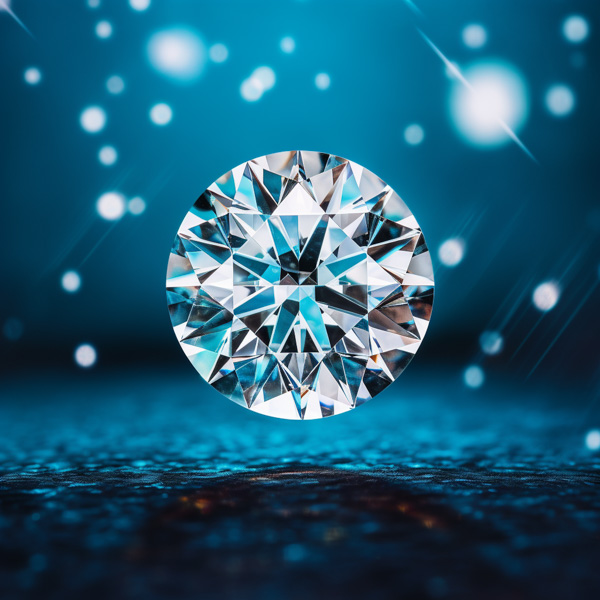
Lab-grown diamonds have gained attention for their close similarity to natural diamonds. They are created using advanced processes that replicate the conditions under which diamonds form. As a result, they share the same physical structure and composition as natural diamonds.
There are two primary methods used to create these diamonds: Chemical Vapor Deposition (CVD) and High Pressure High Temperature (HPHT). Understanding these processes provides helpful context when comparing different diamond options.
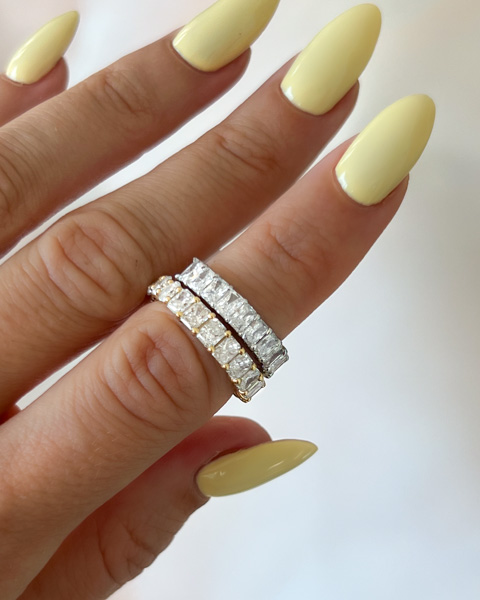
Two GOODSTONE Petite Shared Prong Wedding Band with Radiant diamonds, made with Lab Grown diamonds
Lab Grown Diamond Formation Methods
Lab-grown diamonds are created using two main techniques: HPHT and CVD.
The HPHT method replicates the natural conditions under which diamonds form by applying high pressure and heat to a carbon source, allowing a diamond crystal to develop.
The CVD method begins with a small diamond seed placed in a controlled environment filled with carbon-rich gas. As the gas is heated, carbon atoms gradually bond to the seed, allowing the diamond to grow layer by layer.
Both methods produce diamonds with the same essential properties. Lab-grown diamonds offer an alternative approach to diamond creation, allowing clients to explore different options when selecting a stone.

A Lab Grown diamond production facility
Properties of Lab Grown Diamonds
Lab-grown diamonds offer the same chemical, optical, and structural properties as natural diamonds. With the same level of hardness and durability, they are well-suited for everyday wear, including engagement rings and fine jewelry.
They display the same brilliance, fire, and scintillation expected from a diamond. In some cases, subtle growth characteristics may be present, which can differ slightly from those found in natural stones.
Lab-grown diamonds provide a distinct option for clients who value both quality and transparency, while exploring different approaches to diamond sourcing.
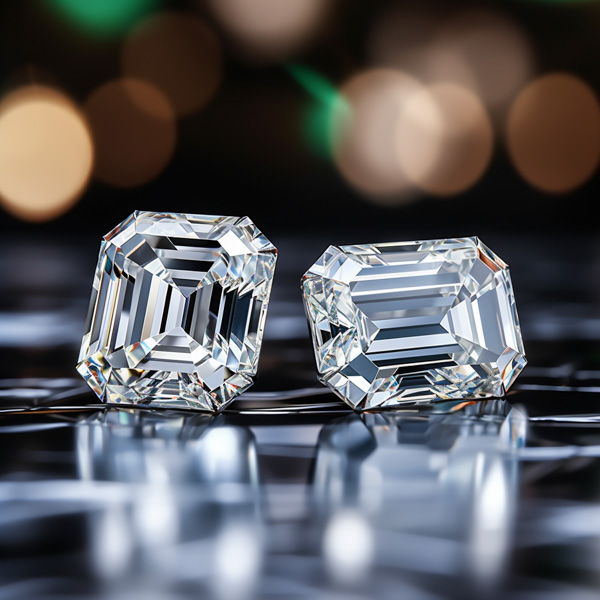
Two Lab Grown step cut diamonds
Authenticity of Lab Grown Diamonds
The Gemological Institute of America (GIA) and the Federal Trade Commission (FTC) recognize lab-grown diamonds as real diamonds, with origin being the primary distinction from natural stones. The FTC defines a diamond based on its properties rather than how it is created, while the GIA applies the same 4Cs grading standards to both lab-grown and natural diamonds.
This alignment from leading authorities reinforces a clear, consistent understanding of lab-grown diamonds within the industry.
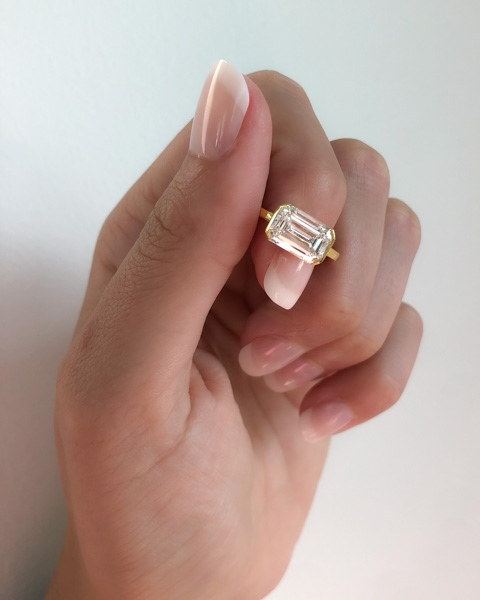
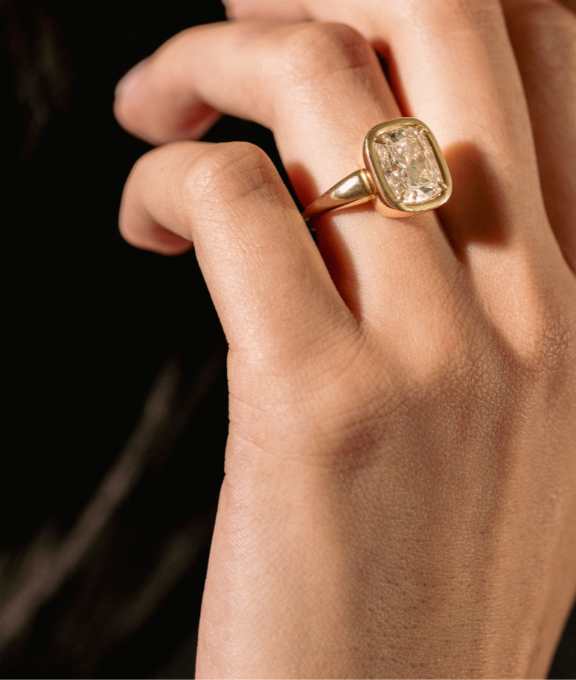
A 3 carat lab grown Emerald cut diamond in a GOODSTONE East West Half Bezel solitaire
Federal Trade Commission Ruling
The Federal Trade Commission (FTC) defines a diamond as “a mineral consisting essentially of pure carbon crystallized in the isometric system,” a definition that applies to both natural and lab-grown diamonds. This establishes that a diamond’s identity is based on its properties rather than its origin.
This framework provides clarity within the industry and helps clients understand that lab-grown diamonds meet the same fundamental standards as natural diamonds.
Gemological Institute of America's View
The Gemological Institute of America (GIA) plays a central role in evaluating both lab-grown and natural diamonds. Using the 4Cs—color, cut, clarity, and carat—the GIA applies the same grading criteria across both types.
This consistent approach allows clients to compare diamonds using a standardized framework, ensuring clarity and confidence when selecting a stone.
By maintaining the same evaluation standards, the GIA reinforces a balanced and transparent perspective across all diamonds, regardless of origin.
Identifying Lab Grown Diamonds
Lab-grown diamonds can be identified through methods such as laser inscriptions, gemological laboratory testing, and unique report numbers. These measures provide clear documentation and traceability.
Standard identification practices support transparency across the supply chain, allowing clients to verify the origin and grading of their diamond with confidence.
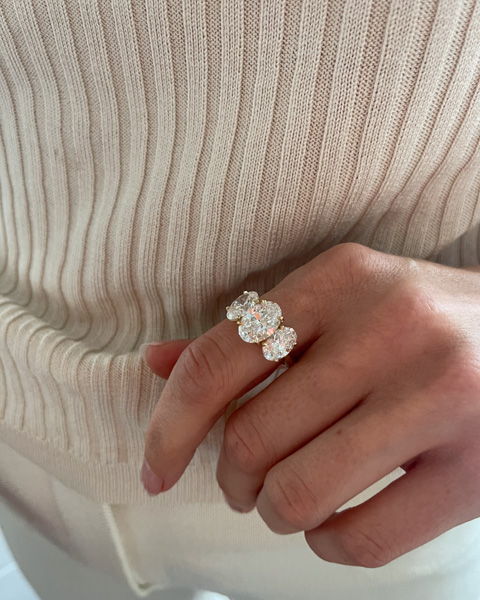
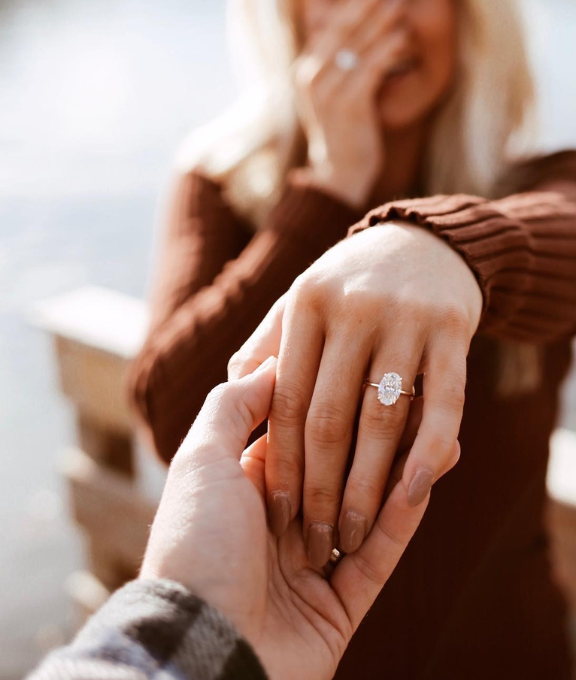
A GOODSTONE Triad ring with Lab Grown diamond Oval Brilliants
Laser Inscriptions and Lab Reports
Lab-grown diamonds are often inscribed with a unique identification number on the girdle using a laser. This inscription may also indicate that the diamond is laboratory-grown. By referencing this information alongside the diamond’s grading report and specifications, jewelers can accurately identify the stone.
Each lab-grown diamond is also assigned a report number by a gemological laboratory, providing an additional layer of verification and traceability.
Advanced Testing Methods
Gemologists use advanced testing methods to distinguish lab-grown diamonds from natural ones. These may include spectroscopy, ultraviolet (UV) analysis, and other specialized laboratory techniques designed to analyze a diamond’s growth structure and composition.
These processes ensure accurate identification and provide clarity around a diamond’s origin, allowing clients to make informed decisions with confidence.
Comparing Lab Grown and Natural Diamonds
When comparing lab-grown and natural diamonds, key considerations include price, sourcing, and long-term value.
Lab-grown diamonds are typically offered at a lower price point than natural diamonds, providing greater flexibility when selecting size or design. They are created without traditional mining, offering an alternative approach to sourcing.
Natural diamonds, formed over billions of years, may hold different long-term market dynamics. Lab-grown diamonds, due to their method of production and availability, can vary in how they are valued over time.
Understanding these differences allows clients to choose the option that best aligns with their priorities.
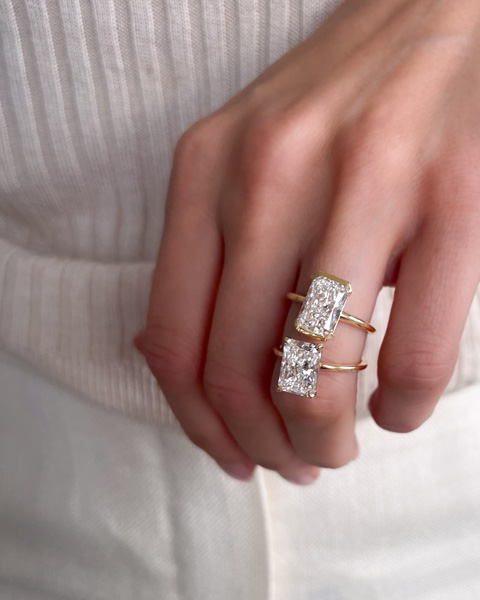
Two GOODSTONE engagement rings with Lab Created Elongated Radiant cut diamonds
Cost and Value
Lab-grown diamonds are typically more accessible in price compared to natural diamonds, often allowing for greater flexibility when selecting size or design. This difference is largely due to a more streamlined production process and reduced supply chain complexity.
When it comes to long-term value, market dynamics can vary. Natural diamonds have historically followed more established pricing patterns, while lab-grown diamonds may fluctuate based on production and availability. Ultimately, value is influenced by broader market conditions.
Sustainability and Ethics
Lab-grown diamonds offer an alternative approach to traditional diamond sourcing. Their production does not require large-scale mining, which can reduce environmental impact depending on the method used.
For clients prioritizing transparency and modern sourcing practices, lab-grown diamonds present an option that aligns with evolving industry standards while still delivering the expected quality of a diamond.
Lab Grown Diamond Alternatives
While lab-grown diamonds are real diamonds, there are also alternative gemstones such as moissanite and cubic zirconia. These materials differ in composition and properties, offering distinct characteristics compared to both natural and lab-grown diamonds.
Understanding these differences can help clarify which option best suits your preferences.
Moissanite
Moissanite is composed of silicon carbide and differs from diamonds in both composition and optical properties. It is known for its strong brilliance and distinct light performance.
Although visually similar at a glance, moissanite can be distinguished from diamonds through its unique refractive qualities and overall appearance.
Cubic Zirconia
Cubic zirconia is a man-made material designed to resemble a diamond. While it offers an accessible price point, it differs in durability, composition, and long-term performance.
For those seeking a gemstone with the same physical properties as a diamond, lab-grown or natural diamonds remain the closest options.
Choosing the Right Diamond for You
Selecting a diamond comes down to personal preference, budget, and priorities. Whether choosing a lab-grown or natural diamond, understanding the differences between options is key.
Working with a trusted expert can provide clarity and help guide you toward a diamond that aligns with your expectations.
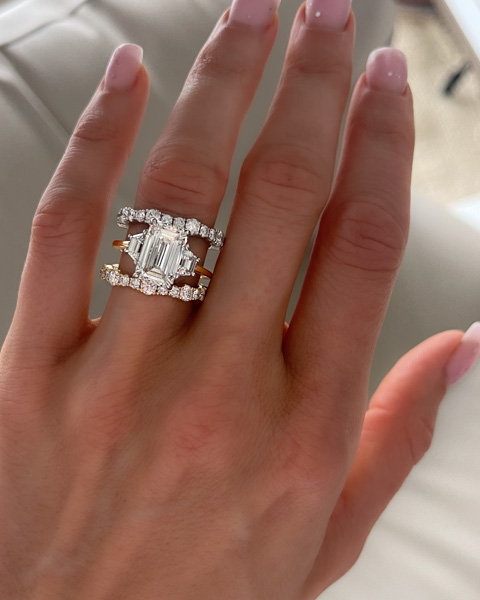
A GOODSTONE Lab Created 4 carat Emerald cut engagement ring with trapezoid side stones
Factors to Consider
When selecting a diamond, the 4Cs—cut, color, clarity, and carat weight—are essential factors to evaluate. Your budget also plays an important role in determining the right balance between size and quality.
Sourcing considerations, including origin and environmental impact, may also influence your decision. Comparing both lab-grown and natural diamonds allows you to choose an option that aligns with your preferences and priorities.
Expert Recommendations
Working with a knowledgeable expert can simplify the diamond selection process. Guidance on the 4Cs, along with certification from a reputable gemological laboratory, helps ensure consistency and quality.
An expert can also assist in selecting the right shape and setting, tailored to your style and intended design. This level of insight supports a more confident and informed purchase.
Summary
Lab-grown diamonds share the same core properties as natural diamonds, with origin being the primary distinction. Recognized by leading industry authorities, they offer an alternative approach to diamond selection.
By understanding the differences between lab-grown diamonds, natural diamonds, and other gemstone options such as moissanite and cubic zirconia, you can make a well-informed decision based on your preferences, priorities, and budget.
Frequently Asked Questions
Can a jeweler tell if a diamond is lab created?
A trained gemologist can distinguish between a lab-grown and natural diamond using specialized tools and techniques. To the naked eye, both appear virtually identical.
Under magnification, subtle differences in growth patterns or inclusions may be observed, which can indicate how the diamond was formed. Professional evaluation ensures accurate identification when needed.
What are the disadvantages of lab grown diamonds?
Lab-grown diamonds differ from natural diamonds primarily in origin and market dynamics. While they share the same physical properties, their availability and production methods can influence long-term value trends.
Natural diamonds have historically followed more established pricing patterns, while lab-grown diamonds may vary based on supply and demand.
Are lab grown diamonds real diamonds?
Yes. Lab-grown diamonds are real diamonds. They share the same chemical composition, structure, and properties as natural diamonds.
The only difference is their origin—lab-grown diamonds are created in controlled environments rather than formed naturally over time.
How are lab grown diamonds created?
Lab-grown diamonds are produced using advanced methods such as Chemical Vapor Deposition (CVD) and High Pressure High Temperature (HPHT). These processes replicate the conditions under which diamonds naturally form.
The result is a diamond with the same visual and physical characteristics as one found in nature.
Do lab-grown diamonds hold their value over time?
Lab-grown diamonds offer a more accessible price point and continue to grow in popularity. In terms of long-term value, natural and lab-grown diamonds can behave differently depending on market conditions.
Natural diamonds have historically shown more consistent appreciation patterns, while lab-grown diamonds may fluctuate as production evolves. Understanding these differences helps set clear expectations when making a purchase.



Leave a comment (all fields required)