





Step Cuts 101: Why Emerald and Asscher Diamonds Look Different
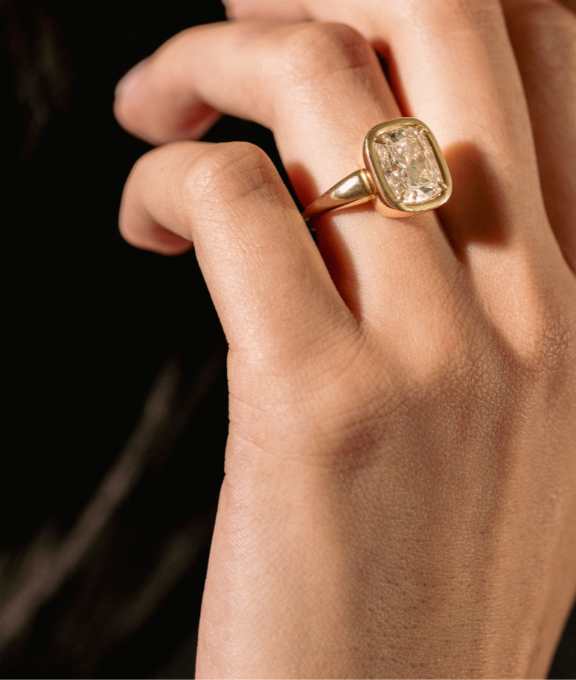
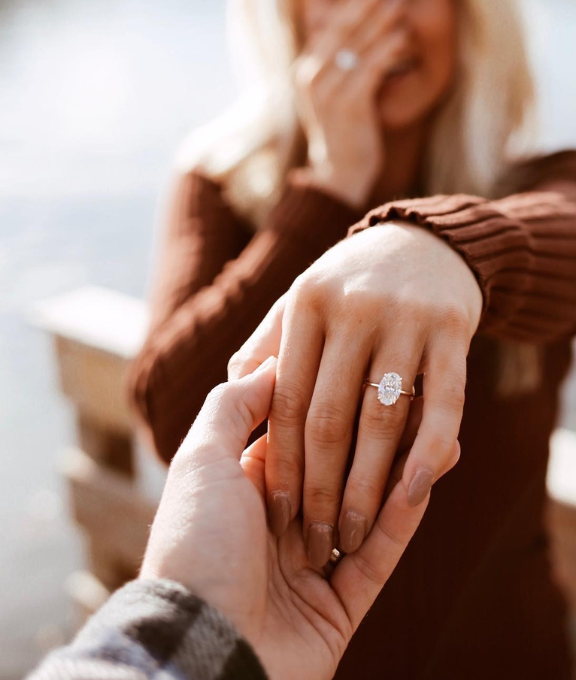
You're looking at two step-cut diamonds side by side. One stretches across your finger with long, clean lines. The other forms a perfect square with a mesmerizing pattern at its center. Both belong to the same cutting family, yet they create completely different visual experiences.
The emerald cut and Asscher cut share the same architectural foundation of stepped facets, but their structural variations produce distinct optical effects that change how you perceive the stone.

Emerald and Asscher cuts share a step-cut foundation—but deliver two very different feelings.
The Architecture Behind Each Cut
Step-cut diamonds follow a different philosophy than brilliant cuts. Instead of creating maximum sparkle through numerous small facets, step cuts use larger, parallel facets arranged like staircases descending from the crown to the pavilion. This construction method emphasizes clarity and creates what gemologists call the "hall of mirrors" effect.
Emerald cuts contain 57 facets arranged in a rectangular pattern. The length and width of these facets work with the elongated shape to produce linear flashes of light. When you move an emerald cut diamond, you see broad sheets of light traveling across the stone's surface. The large, open table that characterizes emerald cuts allows you to look directly into the diamond's interior, where the parallel facets create an endless corridor of reflections.

Wide, open facets create smooth, linear flashes of light.
The Asscher's Unique Windmill Pattern
The Asscher cut takes a different approach with its 58 facets. While the facet count appears nearly identical to the emerald cut, the placement and proportions change everything. The Asscher's square shape forces its step-cut facets to radiate from the center, converging toward the culet in a precise geometric pattern.
When you look straight down through an Asscher's wide table, you'll notice an X-shaped or windmill pattern. This distinctive visual signature comes from the exact alignment of the step facets as they move toward the diamond's center. The windmill effect becomes most pronounced in well-cut stones where the facets achieve perfect symmetry. According to cutting standards, this symmetrical windmill pattern serves as a quality indicator for Asscher cuts.

Asscher cuts reveal their beauty through symmetry and structure.
Understanding Face-Up Size Differences
A 1-carat Asscher cut measures approximately 5.5mm across its face, while a 1-carat round brilliant measures about 6.5mm. This size difference happens because Asscher cuts have deeper pavilions and higher crowns that hide weight in the diamond's depth rather than spreading it across the visible surface area.
Emerald cuts handle carat weight more efficiently. Their elongated rectangular shape and relatively shallow depth mean they often appear larger than round diamonds of the same weight. The recommended depth percentage for emerald cuts ranges from 62% to 68%, which maximizes brilliance while maintaining proper size appearance. Emerald cuts with depth percentages beyond 69% look small for their weight because too much mass sits in the stone's underside where you can't see it.

Depth and shape decide how much of the diamond you actually see.
Clarity Requirements for Step Cuts
Both emerald and Asscher cuts demand higher clarity grades than brilliant cuts. The large, open facets that define step cuts provide no place to hide inclusions. While a round brilliant's sparkle can mask small imperfections, step cuts reveal everything inside the stone.
Industry standards recommend VS1 to VS2 clarity for emerald cut diamonds, with VS1 preferred to ensure an eye-clean appearance. Asscher cuts follow similar guidelines, with a minimum clarity of VS1 recommended. Inclusions become more visible in diamonds with larger, open facets, so selecting VS1 over VS2 becomes particularly important when choosing step-cut diamonds.
The transparency that makes these cuts so appealing also means any internal characteristics will be readily apparent to the naked eye.

With open facets and clean lines, nothing stays hidden. But that's also what makes the ring so beautiful, as seen on our Zenith Engagement Ring With Asscher Cut Diamond.
Proportions That Define Each Shape
Length to width ratios determine how square or rectangular these diamonds appear. Asscher cuts maintain a ratio between 1.00:1.00 and 1.05:1.00 to achieve their characteristic square shape. Most people perceive Asscher cuts as perfectly square as long as the ratio stays at 1.05 or less.
Emerald cuts offer more flexibility in their proportions. The classic emerald shape falls between 1:1.3 and 1:1.5, with many preferring the 1.30 to 1.40 range. This elongation creates the elegant rectangular appearance that makes emerald cuts particularly flattering on the finger. The choice of ratio affects both the diamond's appearance and how it sits in various setting styles.
How Light Behaves Differently
The rectangular shape and large table of emerald cuts amplify the hall of mirrors effect. Light enters the diamond and bounces between the parallel facets, creating linear flashes that travel the length of the stone. This produces a calm, sophisticated brilliance that differs from the scattered sparkle of round brilliants.
Asscher cuts concentrate light differently. The converging facets direct light toward the center, then reflect it back out in a more concentrated pattern. The deep pavilion and high crown of Asscher cuts create what gemologists describe as a lively design, where light seems to pulse from the center of the stone rather than flash across its surface.

Emerald cuts let light glide across the stone in long, mirrored lines. On our Finest Solitaire Engagement Ring you can see the "hall of mirrors" look emeralds are truly known for.
Price Variations Between the Cuts
Market analyses show that Asscher cut diamonds tend to cost slightly more per carat than emerald cuts. This pricing difference stems from several factors. First, the Asscher's deeper cut retains more weight in the lower part of the diamond, making them appear smaller for the same carat size. Second, well-proportioned Asscher cuts are rarer than emerald cuts, particularly stones with excellent symmetry and proper facet alignment.
A 1-carat Asscher cut diamond may cost less than $3,500 to over $5,500, while a 1-carat emerald diamond ranges from as low as $1,494 to over $8,375. These wide ranges depend heavily on quality grades including color, clarity, and cut precision. The apparent size difference means buyers often need to purchase a larger Asscher to achieve the same visual impact as an emerald cut.
Color Visibility in Step Cuts
Step cut faceting creates large, open windows into the stone that don't disperse light in ways that mask color. Even slight traces of tint become more visible, particularly in the corners and along the step facets. Asscher cuts reveal color even more readily than emerald cuts because their converging facets concentrate any body color toward the center.
This color visibility means both cuts typically require higher color grades than brilliant cuts to appear colorless. The long facets don't create the traditional sparkle that helps disguise slight yellow or brown tints. For this reason, many prefer to stay within the D to G color range for step cuts, especially when selecting larger stones where color becomes more apparent.

With open facets, even subtle color becomes easier to see.
Identifying Quality Cutting
For Asscher cuts, examine the windmill pattern when viewing the diamond from above. The facets should form a perfect windmill at the center, with each blade appearing identical in size and shape. This pattern should remain consistent and symmetrical as you tilt the stone. The quality of the cut, including proportions and symmetry, plays a direct role in creating this visual effect.
Emerald cuts require different evaluation criteria. Look for consistent step facets that create even, parallel lines down the length of the stone. The table should be centered and proportionate to the overall size. Depth percentages between 60% and 68% help maximize face-up appearance for the weight. The corners should show crisp, clean angles without dark areas or light leakage.

The windmill pattern should feel balanced, even, and precise, like on our Half Bezel Solitaire Engagement Ring With Asscher Cut Diamond.
Making Your Selection at GOODSTONE
At GOODSTONE, we recognize that choosing between emerald and Asscher cuts involves balancing personal style preferences with technical considerations. The emerald cut delivers exceptional value through its larger face-up appearance and elongated elegance. This makes it ideal if you're seeking maximum visual impact per carat. The rectangular shape also tends to make fingers appear longer and more slender.
The Asscher cut appeals to those drawn to geometric precision and vintage charm. Its hypnotic windmill pattern and concentrated brilliance create a distinctive look that references Art Deco design while maintaining contemporary appeal. The square shape works particularly well in certain setting styles and offers versatility in how the ring can be worn and stacked with other bands.
Both cuts require careful attention to clarity and proportions. The step-cut faceting that gives these diamonds their architectural beauty also demands higher quality standards than brilliant cuts. Yet each rewards you with a sophisticated expression of diamond beauty that relies on clean lines and geometric precision rather than scattered sparkle. Understanding these technical distinctions helps you select a step cut that aligns with both your aesthetic preferences and practical considerations.



Leave a comment (all fields required)