





Diamond Cut vs. Shape: What’s the Difference and Why It Matters
Many people use the words “cut” and “shape” interchangeably when talking about diamonds. GIA has noted that buyers often think of cut as the outline of the stone rather than the arrangement of facets that controls how light moves through it.
That distinction matters because one of these factors has a far greater effect on how a diamond actually looks when worn. A round diamond and an oval diamond differ in shape, but the cut determines whether either stone reflects light beautifully or appears less lively.
Understanding the difference between these two terms can help you choose a stronger stone, avoid overspending on low-quality stones, and feel more confident in your final choice.

Cut and shape are two of the most commonly confused terms in diamond buying, and the distinction matters because one has a far greater effect on how a diamond actually looks when worn.
What “Shape” Actually Refers To
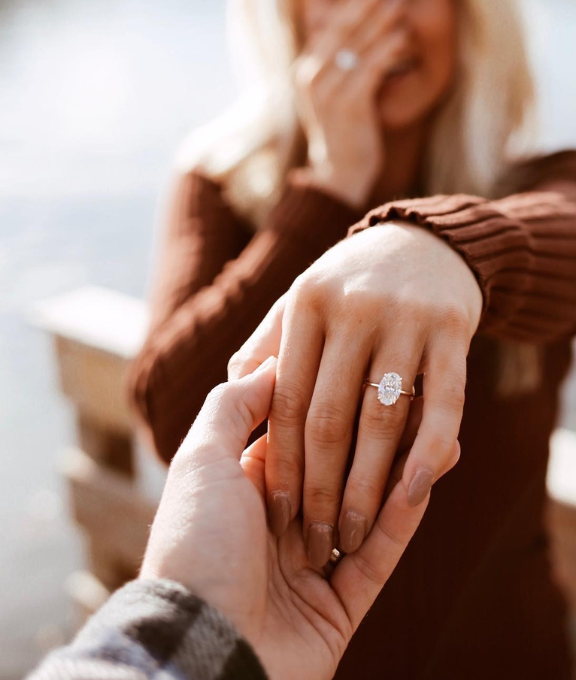
Shape refers to the geometric outline of a diamond when seen from above. Round, oval, pear, marquise, emerald, cushion, princess, radiant, and asscher are examples. When someone requests an oval engagement ring, they are describing the shape, which refers to the stone’s physical form.
Shape is often the first quality noticed in a ring and is usually a personal preference:
- 43% of buyers prefer round shapes
- 15% prefer ovals
- 13% select princess cuts
Some choose the look of an oval, while others prefer the geometry of an emerald or the curves of a cushion.
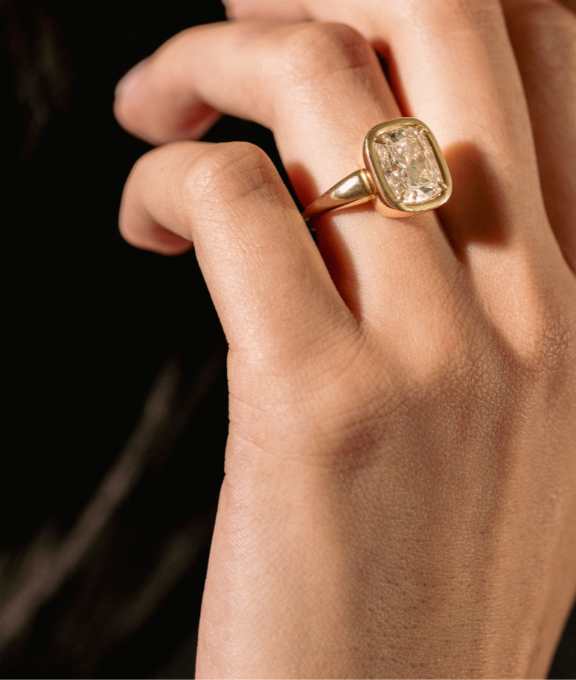
Round diamonds accounted for 59% of engagement ring sales in 2022, but by 2025, this had decreased to about 36%. Oval diamonds increased from 21.5% to 33% over the same period. Celebrity choices have contributed to this shift.
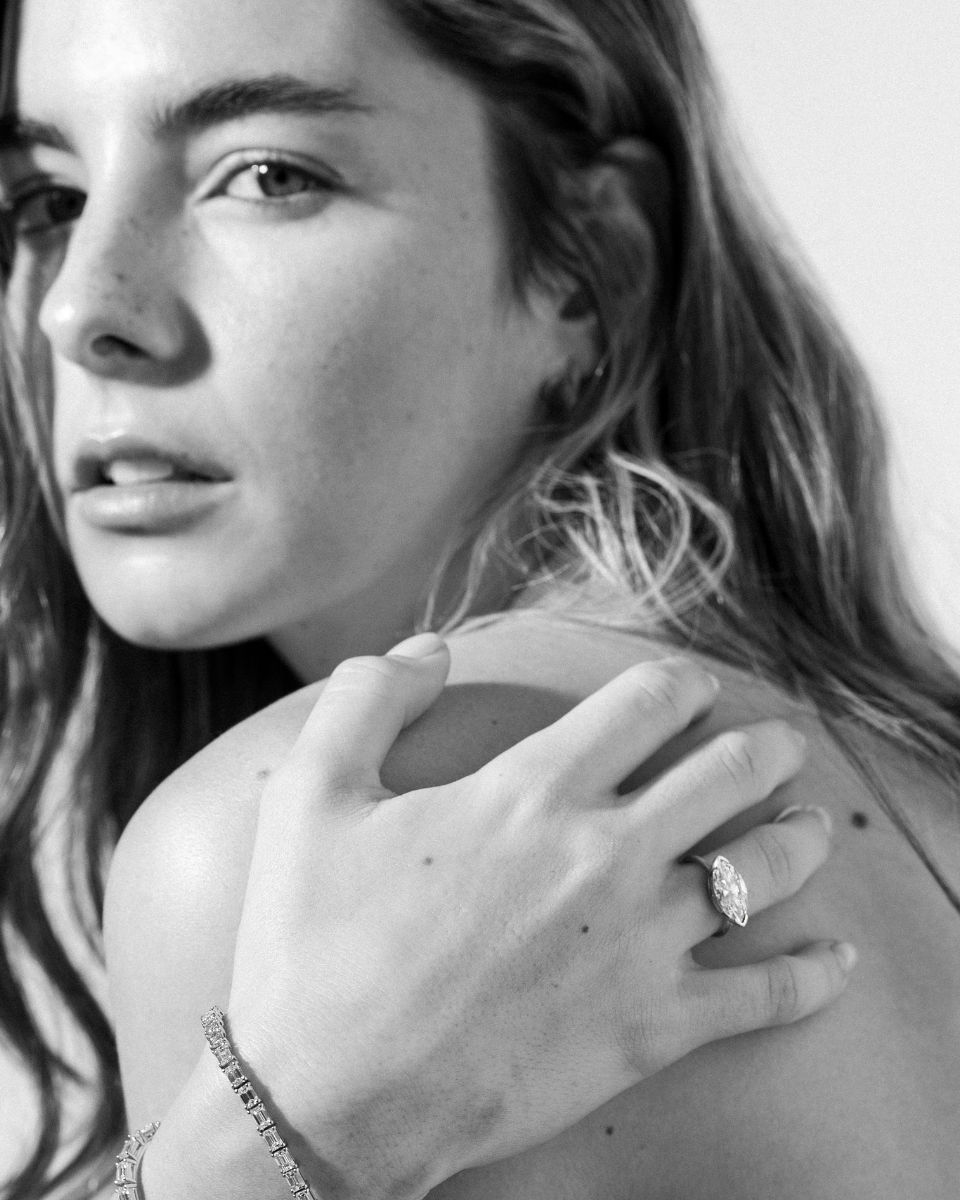
Selena Gomez’s marquise-cut ring and Taylor Swift’s elongated cushion-cut ring have contributed to the popularity of shapes other than round. The moval, a mix of marquise and oval, has also become more recognized.
Shape alone does not indicate how a diamond handles light.

Shape is the geometric outline of a diamond as seen from above and it's usually the first thing a buyer notices and the most personal choice in the entire process.
What “Cut” Actually Refers To
Cut refers to how well a diamond’s facets are angled, proportioned, and polished to influence how light enters and exits the stone. Two round diamonds of the same carat weight can look different depending on their cut, regardless of color and clarity grades.
GIA uses seven components to evaluate cut:
- Brightness: Total light reflected
- Fire: Dispersion of light into color
- Scintillation: Pattern of light and dark with sparkle
- Weight ratio: Relates to craftsmanship and design
- Durability: Relates to craftsmanship and design
- Polish: Relates to craftsmanship and design
- Symmetry: Relates to craftsmanship and design
GIA assigns an overall cut grade on a 5-point scale, from Excellent to Poor. The lowest score among brightness, fire, scintillation, weight ratio, and durability sets the overall grade.
If a diamond receives a Poor rating for brightness, the overall grade will also be Poor. Polish and symmetry are graded separately. A diamond with Very Good polish can still earn an Excellent overall cut grade if the other performance categories are strong.
GIA developed its grading system over 15 years, using computer modeling and more than 70,000 human observations of real diamonds.

Cut refers to how well a diamond's facets are angled, proportioned, and polished to control how light enters and exits the stone.
Only Round Brilliants Get a Cut Grade
GIA assigns an official cut grade only to round brilliant diamonds. Fancy shapes such as ovals, cushions, pears, and emerald cuts do not receive a cut grade on GIA reports.
Round brilliants have a consistent facet pattern, allowing GIA to map relationships between angles, proportions, and light return. Fancy shapes have more varied facet patterns and light behavior, so GIA does not apply a single grading standard to all of them.
When shopping for fancy-shaped diamonds, pay attention to characteristics such as polish, symmetry, and proportion, as there will be no overall cut grade.
At GOODSTONE, every diamond in our engagement ring collection has an Excellent cut or the equivalent among fancy non-round shapes. Each stone comes with a grading report from laboratories such as GIA, IGI, HRD, or GCAL.

GIA assigns an official cut grade only to round brilliant diamonds, because their standardized facet pattern allows for consistent mapping of the relationship between proportions and light return.
The Three Primary Cutting Styles
Shape describes the outline. Cut grade indicates craftsmanship. There is also the cutting style, which refers to how the facets are arranged. Three primary cutting styles can be applied to various shapes.
Brilliant Cut
The brilliant cut is designed to return the most light. It typically uses 57 or 58 facets arranged in a circular pattern. This style can help mask inclusions and may make a diamond appear slightly larger than its actual carat weight. Round diamonds almost always use a brilliant cut, and the style is also common for ovals, pears, and marquises.

The brilliant cut uses 57 or 58 facets arranged to return the maximum amount of light, making it the most effective cutting style for sparkle and fire.
Step Cut
Step cuts use rectangular facets that run parallel to the girdle. These cuts produce less fire and brilliance, so inclusions and color may be more noticeable. Emerald and Asscher diamonds are the most common step-cut shapes. Step-cut diamonds are usually selected from higher-clarity rough.

Step cuts use long, parallel rectangular facets that produce broad, mirror-like reflections rather than scattered sparkle.
Mixed Cut
Mixed cuts combine features of brilliant and step cuts. They balance weight preservation with optical effects. Princess, cushion, and radiant cuts are mixed cuts. When light hits a mixed-cut diamond, the appearance may resemble crushed ice.

Mixed cuts combine elements of both brilliant and step cutting, balancing light return with weight preservation in shapes like princess, cushion, and radiant.
How Cut Style Changes the Look of Similar Diamond Shapes
Emerald and radiant shapes both have rectangular outlines and look similar in profile. An emerald uses a step-cut with long, linear facets, producing broad reflections. A radiant uses a brilliant cut, returning light more diffusely.
When selecting a rectangular diamond, consider the preferred light performance. The shape remains the same, but the cut style changes the stone’s overall look.
How Cut Affects Price
Cut has the greatest effect on a diamond’s appearance. GIA notes that well-cut diamonds look brilliant even with lower color and clarity, while poorly cut stones can look dull despite high color and clarity. Higher cut grades tend to cost more.
Round brilliants tend to be 20% to 40% more expensive than other shapes of the same carat weight and quality. Shaping a diamond into a round wastes about 60% of the rough stone, while a princess cut can preserve up to 80%. This difference in material use affects pricing.
Round diamonds make up about 70% to 75% of all diamonds sold worldwide, which contributes to higher demand and pricing.
What This Means When You Are Shopping
When comparing diamonds, keep in mind that shape is a matter of personal preference. Cut grade affects how the diamond handles light. For fancy shapes, pay attention to polish, symmetry, and proportions, as there is no overall cut grade from GIA.
Cutting style influences how a diamond returns light. Brilliant cuts provide more sparkle, step cuts create clean flashes, and mixed cuts offer a balance between the two.
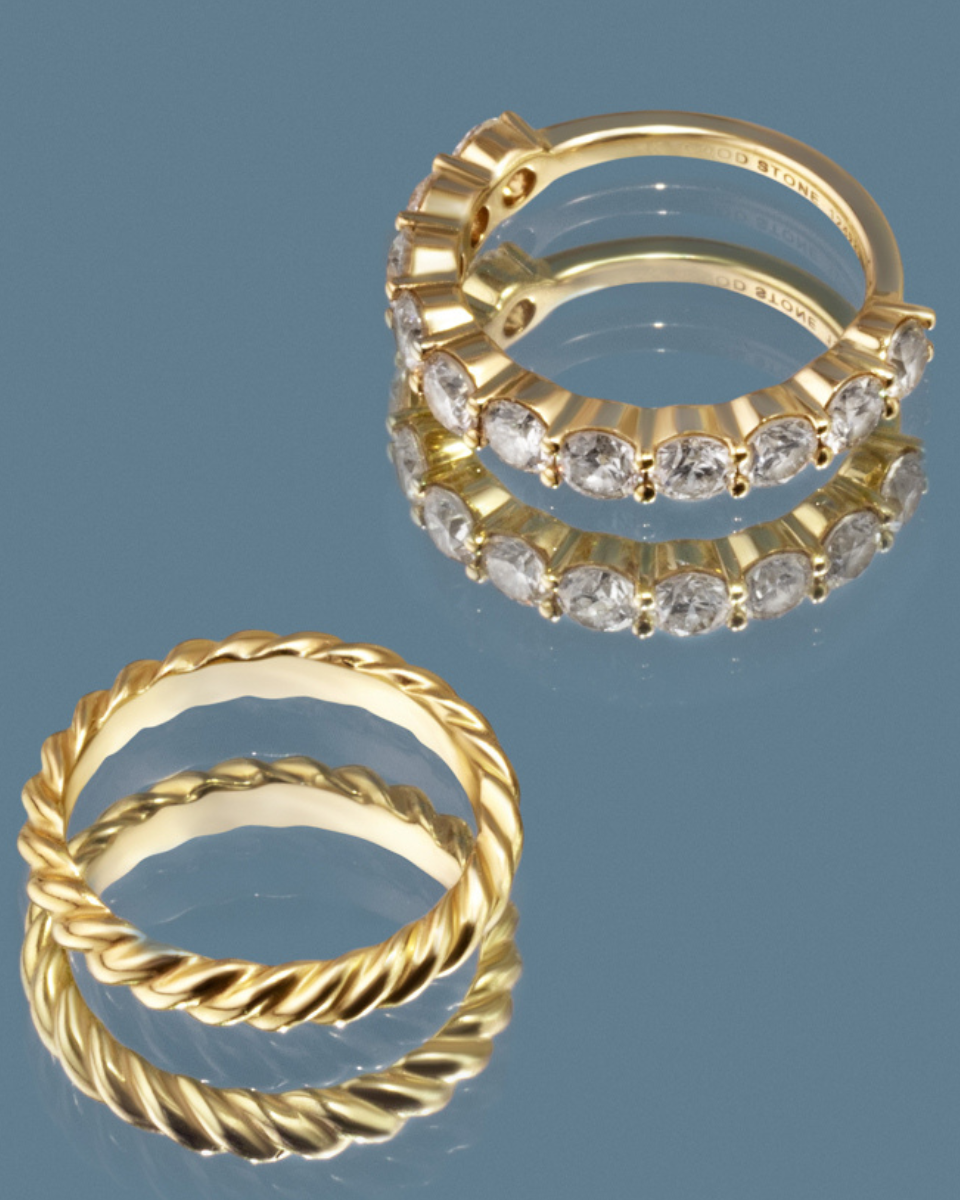
Our concierge service helps match your preferences to specific stones. Each ring is handcrafted in Los Angeles, using recycled gold and conflict-free diamonds. Every piece includes a lifetime warranty with complimentary cleaning, resizing, and inspection.
Why Cut and Shape Both Matter When Choosing a Diamond
Knowing the difference between cut and shape is one of the most useful things to understand before buying a diamond. Shape is what you notice first, but cut is what determines how the stone performs in light, and cutting style gives that light its character.
Becoming comfortable with these terms helps you ask better questions, compare stones more clearly, and choose a diamond that looks as strong in person as it does on the grading report.



Leave a comment (all fields required)