





The 10 Biggest Jewelry Trends for 2025
Jewelry often shows what people value and how they wish to present themselves. These choices can be practical, personal, or about status. As the global jewelry market aims for about $374.80 billion in 2025, industry players and shoppers are looking for what comes next. Though the data available covers some clear facts, there are also patterns you can draw out. Here are the ten biggest jewelry trends for 2025 based on those signals and the most recent forecasts.
1. Colored Stones Are Taking Up More Space
For a long time, diamonds claimed most of the spotlight. Now, colored stones are holding their own. Retailers are stocking more pieces made with sapphires, emeralds, rubies, aquamarines, and lesser-known stones like tourmaline, garnet, and opal. These choices let brands and buyers pick looks that are less tied to tradition.
In 2025, you are going to see both bright and subtle stone colors. You can expect necklaces, rings, and earrings to show off stones set in simple metal claws or unpolished cuts that give off a natural look. These pieces work for people who want to show some color without picking a showy style.
Sales numbers support the shift. Regions like Asia Pacific, which lead global jewelry spending, have a history of using colored stones in formal and casual pieces alike. Buyers in Australia ($3.7 billion projected sales for 2025) and South Korea ($4.6 billion projected) are drawn to both classic and new-color stone pieces.

2. Chunky, Oversized, and Sculptural Designs
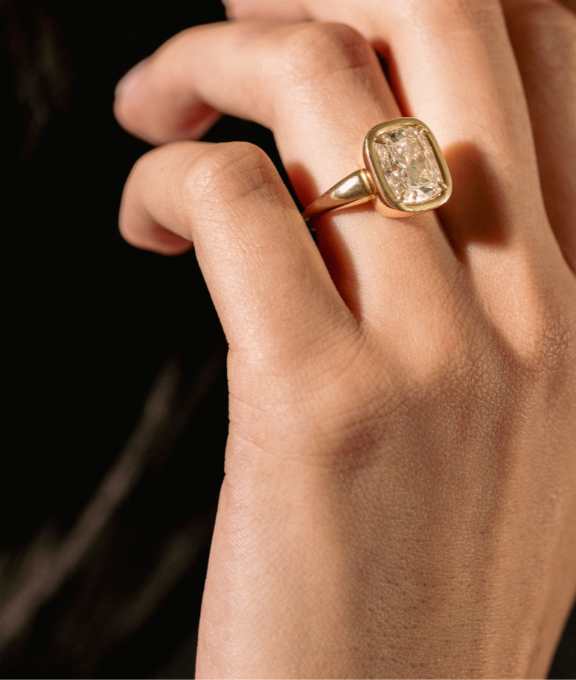
Thin chains and soft jewelry shapes are hard to spot in new releases. Styles for 2025 use bulk and scale to stand out. Wide cuffs, thick link necklaces, oversized hoops, and rings that seem almost too big for a finger are all getting pushed by designers.
This trend can be seen across price points, from gold-plated brass at mid-level brands to solid yellow gold in fine jewelry. The bigger shapes help people layer fewer pieces while making more impact with each one.
Europe’s major retail markets, such as Germany and France support these trends through consumer demand, as their shoppers tend to favor bold and clearly visible items. Even regional leaders in Asia Pacific see strong interest in larger pieces paired with softer colors for balance.

3. Pearls Get an Update
Pearls used to be seen as formal, reserved for old traditions or special events. By 2025, they are present in new forms and are used for casual or daily wear. Fashion houses and independent makers are intentionally using misshapen pearls, pairing them with metals other than gold, and adding pearls in unexpected places like on chain earrings or layered with colored gemstones.
Pearls are easy for people to personalize. Buyers are choosing styles that don’t match, mixing single earrings or sticking to freshwater pearls with their imperfect shapes. These styles make pearls less formal without losing their appeal.
Pearls have always done well in Japan and China, but these new styles appear everywhere, with stores in Canada ($3.3 billion in projected 2025 jewelry sales) and France ($3.2 billion) including them in their best-selling lines. Many pieces are made with recycled materials as well, supporting the trend toward sourcing that causes less harm.
4. Sustainable and Ethically Sourced Jewelry
People and companies are more aware of where their products come from and how they’re made. This is true in jewelry, where buyers ask about metal mining, stone sourcing, and labor conditions.
The increase in sustainable and ethically-sourced jewelry is marked, even though sources do not point to a clear percentage of growth. Many brands now offer full traceability for their gold or diamonds. Some choose only lab-grown stones or recycled metals, lowering impact from mining and conflict. Makers are also more open about their supply chains.
There are fast-growing markets in Africa and South America, such as Nigeria (from $3 billion in 2025 expected sales to $5.5 billion by 2029) and Brazil ($3.5 billion to $5 billion over the same period). These regions encourage buyers to consider sources, since mining and labor issues are public concerns.

5. Stackable Jewelry: Rings, Bangles, Chains
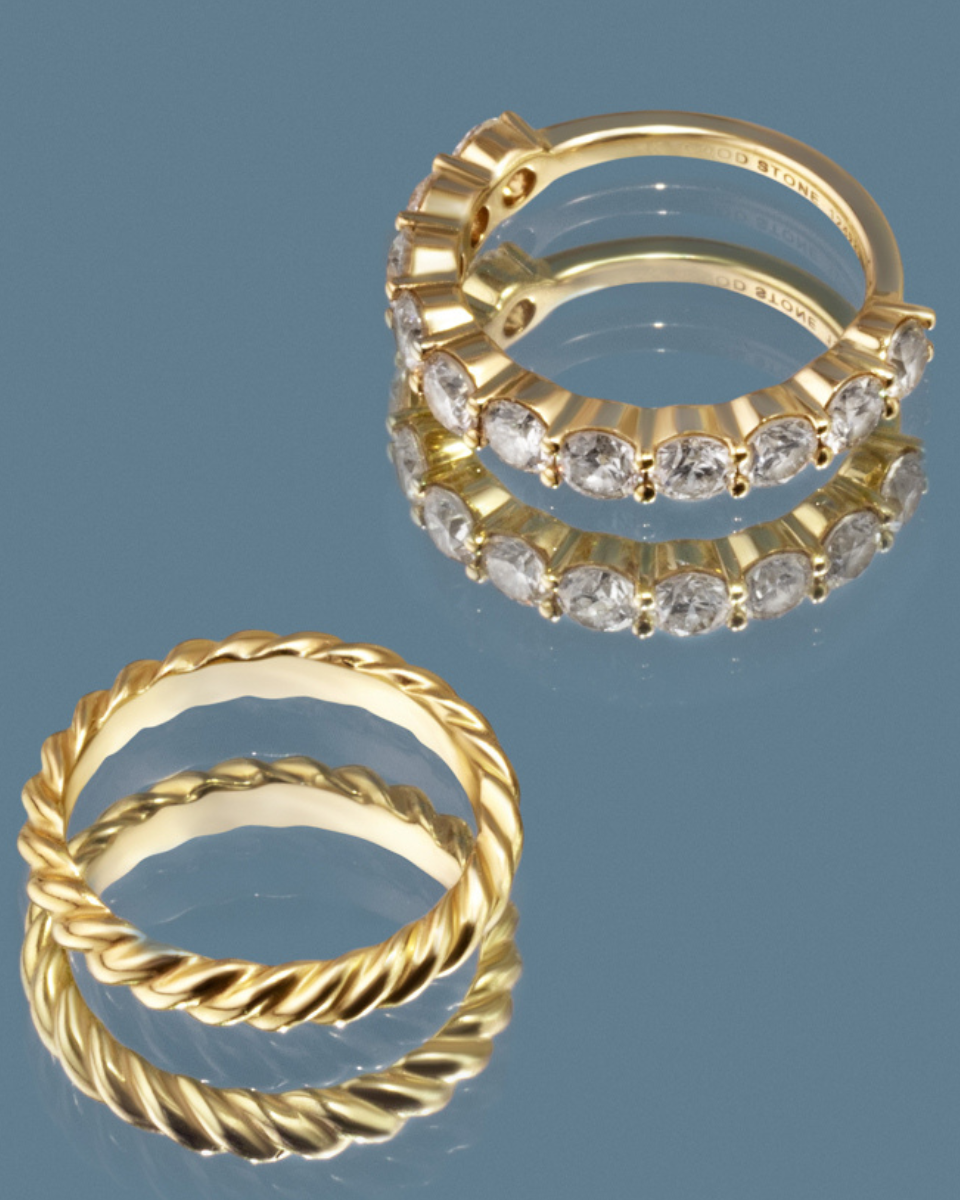
Shoppers want simple styles they can mix and switch. Brands are offering thinner stackable rings, link bracelets, bangles, and slim necklaces. These allow people to create a unique mix each day.
Stackable pieces sell especially well worldwide, including Asia Pacific and North America. Since many are offered in gold, silver, and platinum with or without small stones, both entry-level and repeat buyers can add to their sets.
It is common in stores to see recommended groupings so people know how to pair styles. For example, brands will suggest three or four thin gold rings that go together or matched sets of slim bangles in different metals.

6. Gender-Free and Unisex Styles
More brands and buyers are stepping away from splitting designs into strict categories for men and women. Unisex jewelry styles are expanding. These styles often use heavy chains, simple bars or open circles, signet rings, curb bracelets, and basic geometric shapes.
This trend builds on steady growth. Consumers in countries like Germany, France, and South Korea are buying pieces designed without a focus on gender. New releases in 2025 include many rings and chains that are flat or wide, keeping the same style for any wearer.
While the sources do not outline specific pieces or brands, the growing demand for these styles in Asia Pacific and Europe is clear through store inventories and major campaigns.
7. Maximalist Earrings
Earrings that make a statement are appearing more than before. These designs range from shoulder-length chandelier earrings to studs with large stones. The focus is on size, shape, and sometimes color, but not on matching other jewelry. People are often wearing mismatched pairs or mixing one large hoop with a smaller stud.
In 2025, both gold and silver settings are used, sometimes with colored enamel or detailed lines. The pieces are meant to get noticed and can be worn alone.
Retailers and designers now include single earring options as well, prompting buyers to create their own pairs. As North American and European buyers look for unique pieces, this type of jewelry brings new clients into the market, especially online.

8. Body Jewelry outside Traditional Piercings
Body jewelry is not limited to earrings and nose rings. 2025 is seeing a wave of nose cuffs, ear cuffs, stackable ear bands, waist chains, and hand harnesses that do not need new piercings or permanent changes to the body.
This type of jewelry sells especially well in larger markets like the United States and Asia Pacific, where people are willing to try current trends. Temporary and flexible pieces help people try new looks without investment or discomfort.
For example, a chain that wraps around an ear but does not pierce the skin or a necklace that can be worn around the waist as well. These are made in both fine jewelry and lower-cost models using plated metals and glass stones.
9. Growth in Online Jewelry Sales and Virtual Try-Ons
Jewelry used to be sold mainly in stores. Now, more sales are happening online, and this is set to increase in 2025. Experts expect the online jewelry market to increase in value by $78 billion from 2024 to 2029, with a yearly growth rate of 22.1 percent.
The spread of virtual try-on tools and detailed product images helps people feel comfortable buying jewelry online. Brands are adding features that let you see how a ring, necklace, or earring would look through your phone or computer. This helps increase trust, especially for higher-priced items.
In places like Canada and Australia, online retailers are keeping up with those in Europe and the United States. Virtual try-ons are especially popular among younger buyers, who shop with mobile phones and expect to see video and augmented reality before making a decision.
10. Customization and Personalization
Personalized jewelry is becoming a main part of many brands’ business. People want pieces that feel connected to their lives. In 2025, many collections feature engravable tags, lockets with space for tiny photos, initial pendants, and rings or earrings with birthstones.
Large and small brands allow buyers to design their own jewelry or pick custom engravings, stones, or settings. These pieces are used as gifts or tokens but are also worn daily. Makers give options for customizing the font, metal, and size.
This step toward custom design is seen both in-store and online. The growth in online sales makes it easier for people to upload requests or create their piece through a website. Retailers in North America, Asia Pacific, Europe, and major cities elsewhere see steady demand for custom options.

Regional Trends and Market Performance
The Asia Pacific region leads all others for jewelry sales in 2025. Buyers there are used to a wide range of jewelry choices, from basic gold chains to large gemstone pieces and pearls. This region’s buying power means trends often start there or get picked up quickly.
Europe follows, with strong spending in Germany and France. These countries choose pieces that either show off high-end craftsmanship or use affordable materials with unique looks.
North America is also important, with Canada and the United States making up a large share of sales. Here, shoppers look for both daily use and statement pieces, as well as new ways to test jewelry online.
Emerging markets like Nigeria and Brazil are seeing large growth. Nigeria is projected to spend $3 billion in 2025 and reach $5.5 billion by 2029. Brazil is expected to go from $3.5 billion in 2025 to $5 billion in 2029. Buyers in these places are interested in new styles, so brands are likely to offer collections that mix local tastes and modern forms.
Other main markets for jewelry include South Korea, Australia, and France. Australians are set to spend $3.7 billion in 2025, while South Koreans are projected to spend $4.6 billion. With demand in these markets often tied to unique fashion choices, store chains and online shops may push more limited releases and fast updates to their collections.
Market Growth and Spending Projections
The jewelry industry keeps growing. The compound annual growth rate for the global jewelry market is projected at 4.70 percent from 2025 to 2034. With the global value set to reach about $374.80 billion in 2025, these trends reflect not only what is selling now but what is likely to keep growing.
There is no data on average spending per shopper in 2025, but the growth rate points to steady interest and new buyers entering the market each year. Sales are no longer limited to top brands or old names. New companies with online-only shops, plus independent jewelry makers, are getting a share of sales thanks to demand for custom and sustainable options.
The online category alone could add $78 billion between 2024 and 2029, growing quickly due to technology and changes in shopper habits. The percentage split between online and offline sales is not specified, but industry observers report that most brands are investing in both stores and web sales to give shoppers more choice.
Jewelry for Men
In 2025, stores stock heavy chains, engraved rings, cuff bracelets, signet rings, pearl strands, and even mixed-stone pieces in wider sizes or with more neutral styles. Most brands make these available for all shoppers rather than selling as men’s lines only.
Growth in sales to male buyers is fastest in North America, Europe, and Asia Pacific, where marketing campaigns show more people wearing both subtle and large items. The trend toward pieces that avoid gender-specific design is giving shoppers more room to pick for themselves.

Technology and Jewelry
Higher spending on jewelry is also tied to technology. Stores are using new methods to let buyers design their own products. Websites now show 360-degree product views, interactive size guides, and live support. This helps people who cannot visit a store to pick pieces with more confidence.
Wearable technology, such as smart rings or bracelets with tracking features, is present across price points, although sales figures are minor compared to traditional jewelry. By 2025, more brands may merge style with light tech features, such as hidden QR codes or simple tracking chips, but these are additions rather than a main offer.
Summary Table: Key Data for the 2025 Jewelry Market
|
Market/Trend |
Forecast or Status |
|
|
Global jewelry market size 2025 |
$374.80 billion |
|
|
Projected CAGR 2025–2034 |
4.70% |
|
|
Online jewelry growth 2024–2029 |
$78 billion increase, CAGR 22.1% |
|
|
Asia Pacific region |
Largest regional market |
|
|
Nigeria jewelry market 2025/2029 |
$3bn (2025) → $5.5bn (2029) |
|
|
Brazil jewelry market 2025/2029 |
$3.5bn (2025) → $5bn (2029) |
|
|
Major buying countries 2025 |
South Korea $4.6bn, Australia $3.7bn, Germany $3.4bn, Canada $3.3bn, France $3.2bn |
|
|
Growth trend: sustainable and ethical sourcing |
Demand rising |
|
Final Thoughts
Jewelry shoppers and brands have plenty to explore in 2025. Styles are wide-ranging, from bold and chunky shapes to small, stackable pieces. More buyers are asking for sustainable options and custom designs. Online shopping is only growing, with new tools to see and fit jewelry from home.
Some regions like Asia Pacific and North America lead in size and trendsetting, but growth is strong across Africa and South America. With a projected global value close to $375 billion for 2025, these trends are backed by both sales numbers and what people say they want.
Jewelry will keep shifting as people look for pieces that work for daily use, big events, or a personal message. Whether choosing color stones, pearls, outsized earrings, or basic chains, buyers have more to pick from each year. Stores and brands that watch these trends and give more options are likely to see steady sales into the near future.



Leave a comment (all fields required)