





How to Get a 2-Carat Look on a 1.5-Carat Budget
Does that 2-carat diamond keep calling your name? The price tag, though, tells a different story. Here's something the industry knows that most shoppers don't: you can create the same visual impact of a 2-carat diamond while shopping in the 1.5-carat range. The difference in what you'll spend versus what you'll see on your finger might surprise you.
People want a particular look, they have a specific budget, and somewhere between those two points lies their perfect ring. The path to getting there involves some insider knowledge about how diamonds work, how they're priced, and what actually creates that “WOW” factor when someone sees your ring.

You don’t need a full 2 carats to achieve the look you love. With the right proportions and cut, a diamond in the 1.5-carat range can deliver the same visual impact.
The Psychology Behind Diamond Pricing
Diamond pricing follows patterns that seem strange until you know the reasoning behind them. A 0.49-carat stone costs $5,500 per carat, totaling $2,695. Move up to 0.50 carats, and suddenly that price jumps to $7,500 per carat, making the total $3,750. One hundredth of a carat creates a $1,055 difference.
This happens at every major weight threshold. A 1.00-carat diamond costs about 20% more than a 0.99-carat stone, even though you'd need a scale to tell them apart. The industry creates these categories: 0.90 to 0.99 carats, 1.00 to 1.49 carats, 1.50 to 1.99 carats, and 2.00 to 2.99 carats. Each jump between categories brings a price increase that has nothing to do with appearance.

A difference of just 0.01 carats can add thousands to a diamond’s price.
Why Shape Matters More Than You Think
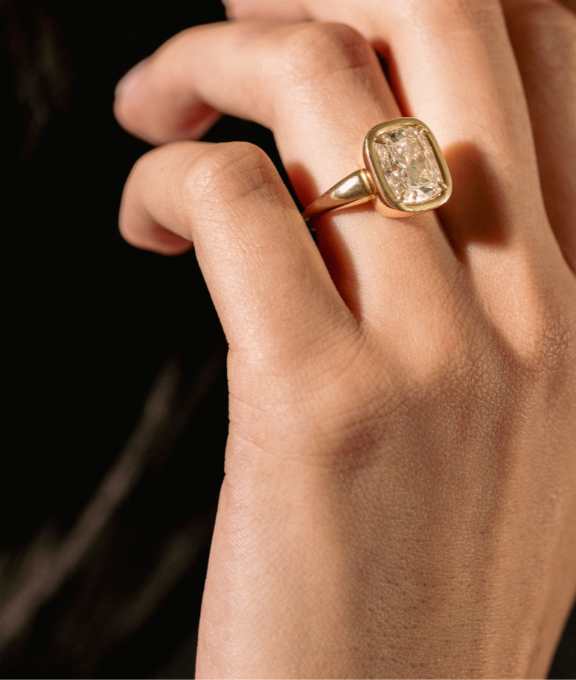
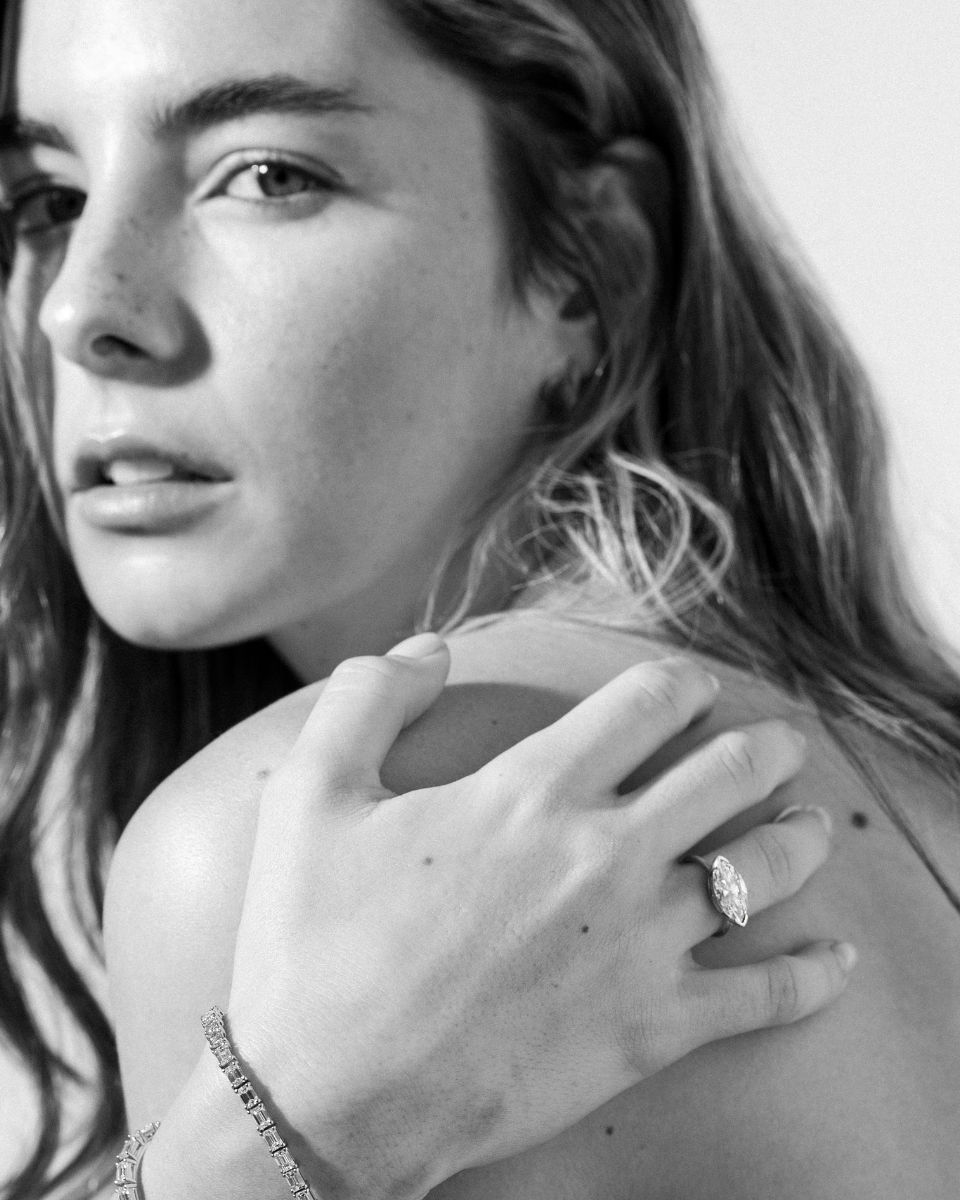
The shape of your diamond determines how much surface area shows when you look at it from above. A 1-carat round diamond measures about 6.5mm across. Choose a 1-carat marquise instead, and you're looking at 10mm by 5mm. That's more than 50% longer than the round, creating a completely different presence on your hand.
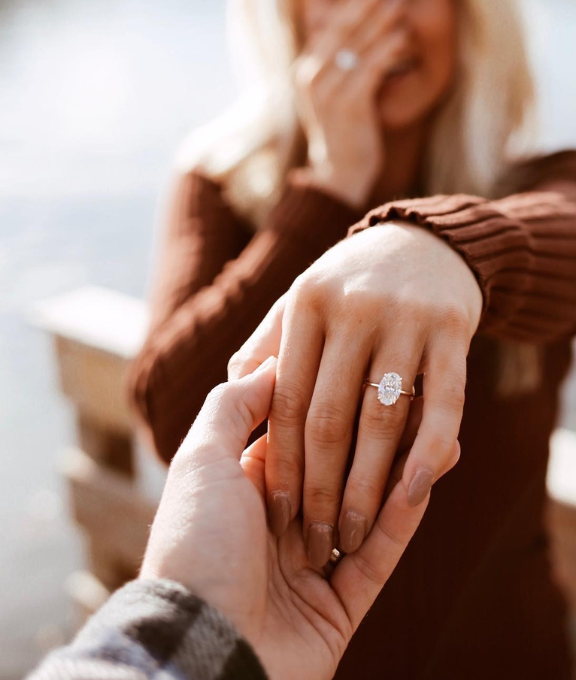
A 1.5-carat oval measures 8.5mm by 6.5mm. Compare that to a 2-carat round at 8.1mm to 8.2mm in diameter. The oval gives you more finger coverage for less money. Some 1.7-carat ovals measure 9.6mm in length, which matches what you'd see from diamonds well over 2 carats in round shapes. At GOODSTONE, we measure every diamond's face-up dimensions because millimeter measurements tell you what you'll actually see, while carat weight only tells you what the stone weighs.

Carat weight doesn’t tell the full story of size. Elongated shapes like ovals and marquise can deliver more finger coverage than heavier round diamonds, often at a lower cost.
Strategic Shopping Below Price Thresholds
Shopping at 1.95 carats instead of 2.00 carats saves approximately $10,000 based on current market data. The diamonds look identical to the naked eye, but that 0.05-carat difference puts you in a different pricing category. The same principle applies throughout the weight ranges. A 1.45-carat diamond costs considerably less than a 1.50-carat stone, and a 1.70-carat diamond offers savings compared to 1.75 carats.
Diamond manufacturers know these thresholds too. They'll often compromise on cut quality rather than drop below a magic number like 2.00 carats. This creates an opportunity for buyers who prioritize appearance over hitting an exact carat weight.

Diamond manufacturers know where the pricing cliffs are, and sometimes that shapes their cutting choices more than pure beauty.
How Settings Create Size Illusions
A halo setting transforms how large your diamond appears. Take a 1-carat center stone and add a halo, and it presents the same visual size as a 1.5-carat diamond without one. The halo typically adds a couple of millimeters around the entire center stone. Some customers at GOODSTONE choose double halos, which can make a 1.71-carat cushion cut appear even larger than many 2-carat solitaires.
The band width affects perception too. A narrow band creates contrast that makes the center stone appear larger. The thinner the band, the more prominent your diamond becomes. Each extra millimeter of diamond diameter creates a noticeable difference in appearance, so combining an elongated shape with a halo on a thin band multiplies the visual impact.

Visual size isn’t just about the center stone, it’s about proportion.
Cut Quality Changes Everything
A well-cut 1-carat diamond can appear larger than a poorly cut 1.5-carat stone. Poor cut quality often means the diamond carries weight in its depth, hidden from view. This deep cut reduces the face-up size that creates visual impact. When shopping, expect to pay a 10% to 15% premium for super ideal cut quality, but that investment directly translates to better light performance and apparent size.
The relationship between cut and appearance becomes even more important in elongated shapes. These diamonds need proper proportions to avoid looking too narrow or too wide.

Cut quality has a greater impact on appearance than carat weight alone.
Color and Clarity Trade-offs
Elongated shapes like pears and marquises need color grade I or better to maintain a white appearance face-up. Ovals show color more easily due to their large surface area and how they disperse light. Round brilliants hide color better, allowing you to go lower on the color scale without compromising appearance.
For clarity, pear shapes hide imperfections well. An SI2 clarity grade often appears eye-clean in pears. Aiming for SI1 clarity provides stones where inclusions remain invisible without magnification. The price difference between a 1.50-carat princess cut with D color and IF clarity versus the same stone with D color and VS2 clarity reaches nearly 30%. That savings can go toward a larger carat weight or better setting.
Current Market Opportunities
Diamond prices dropped 25% to 30% since 2022. A 1-carat diamond that cost $6,819 in 2022 now averages $4,012. As of May 2025, prices moved lower by another 2.7% in April alone. For diamonds over 1.50 carats, prices show slight growth in 2025, but they remain well below historical highs.
This market creates unusual opportunities. The price gap between 1.5-carat and 2-carat diamonds has compressed, making it easier to stretch your budget. Natural diamonds currently offer better value than they have in years, particularly in the size range where you're shopping.

Diamond pricing has shifted dramatically over the past few years, creating rare buying opportunities.
Making Your Final Decision
Getting a 2-carat look on a 1.5-carat budget comes down to making smart choices about what matters most. An elongated shape gives you more coverage. Shopping right below carat thresholds saves thousands without sacrificing appearance. A halo setting adds visual size for a fraction of what a larger diamond would cost. Prioritizing cut quality ensures your diamond performs beautifully regardless of its exact weight.
At GOODSTONE, we see this approach work every day. Customers who focus on millimeter measurements instead of carat weight, who choose settings that enhance their center stone, and who understand how shape affects appearance end up with rings that exceed their expectations. The goal isn't to compromise but to be strategic about where you invest.
The difference between a 1.5-carat budget and a 2-carat look isn't about settling for less. It's about knowing which factors create visual impact and which ones simply add cost. Your ring should make you happy every time you look at it, and that happiness comes from loving what you see, not from knowing a specific number on a certificate.



Leave a comment (all fields required)