


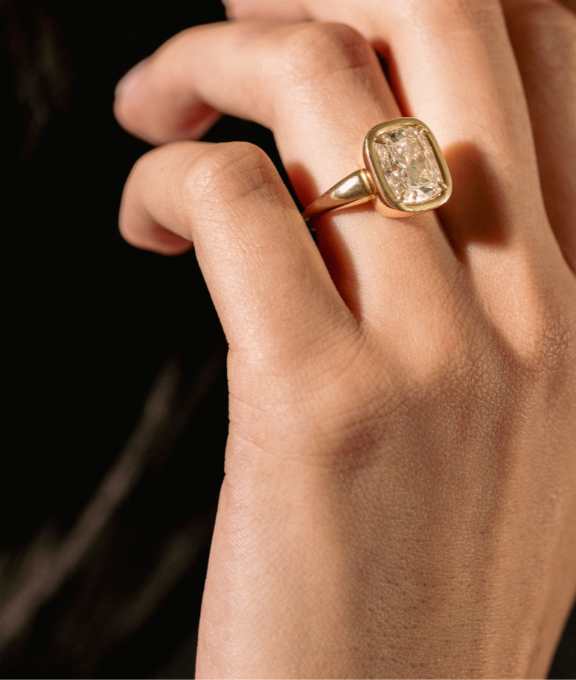




How to Clean Gold Jewelry at Home
Gold jewelry holds up well, but like all things you wear, it gets smudged, dull, or gritty. Most of the time, it happens from oils on your skin, soap from washing, or dust. Cleaning your gold jewelry at home is easy and does not need special products. Many people make the mistake of reaching for strong cleaners or rough brushes, but these do more harm than good. The steps below show how to do it in a way that is gentle and keeps your jewelry in good shape.

What You Need Before You Start
Before you begin, gather everything you need. You should have mild dish soap. It’s important to use a soap that does not have strong chemicals or scrubbing beads. A soft, lint-free cotton cloth is useful for drying and polishing the jewelry at the end. A toothbrush with soft bristles will help you reach under prongs and in small crevices. For rinsing, fill a bowl with clean, warm water. Do not use hot or boiling water, as this can damage settings and stones. People sometimes try using toothpaste, alcohol, or rough towels. These are too rough or harsh for gold jewelry and are not advised.
Soaking Gold Jewelry
The first step is to prepare the soapy water. Fill a small bowl with warm water and add a few drops of your mild dish soap. Stir the water for a bit, then place your jewelry in the bowl. Leave it to soak for about 15 to 20 minutes. This loosens any skin oil, dirt, or soap stuck in or around the jewelry. You may be surprised how much grit comes out of a ring or bracelet that looks clean.
If the jewelry is very delicate and has soft stones set in it, such as opals or pearls, be careful. Do not leave those pieces in water for too long, and avoid harsh motions when you clean them. These stones get damaged easily.
Brushing Off the Dirt
After soaking, take each piece out of the bowl. Use the soft-bristled toothbrush to gently clean the gold. Pay close attention to prongs, carved lines, or places where dirt hides. Use only light pressure when cleaning. If you scrub too hard, you can scratch gold or push dirt deeper into the setting.
Focus on the areas that touch your skin, like the inside of rings or the clasp of a bracelet. These spots usually hold on to sweat and soap buildup more than other areas. Hold the jewelry over the soapy water while you brush, so if a stone comes loose, it lands in the bowl and not the sink.
Rinsing with Clean Water
After brushing, you need to get rid of the soap. Fill another bowl with clean warm water. Swish each piece of jewelry in the water several times to wash off the soap and any loosened grime. Double-check all surfaces and corners to make sure there is no soapy film left behind. If you leave soap on gold, it can make the jewelry look cloudy and sticky.
Never rinse gold jewelry straight under an open tap if you’re working over a sink. Small pieces are easy to lose. Use a bowl of water instead, or if you must use the tap, keep the drain closed.
Drying the Jewelry
When the jewelry is clean and rinsed, you need to dry it. Wipe each piece with a lint-free, soft cotton cloth. Press gently and avoid rubbing too hard. A regular towel or paper napkin can leave lint on the metal or fibers in the prongs. Set the jewelry on a clean, dry cloth and let it air dry if you are not in a rush.
Drying is important because if small amounts of water are left on the metal or in tight spaces, it can cause water spots. Lingering moisture under a stone can loosen glue if there is any, which might cause gems to fall out later.
Checking for Loose Stones and Parts
Before cleaning, look at your jewelry to see if any stones are already loose, or if a clasp is open. After you finish cleaning, do this again. If you feel a prong move or see a stone shift, set the item aside. Bring it to a professional to have it fixed. Cleaning will not harm a snug stone, but if one is already loose, it may fall out.
Checking both before and after cleaning helps you avoid losing a stone. It is a step many people skip, but it matters.
Alternative Home Methods for Tougher Dirt
Mild soap and water clean most regular smudges. Sometimes, rings or chains get black stains from contact with other metals or from heavy buildup over time. Some people use baking soda and vinegar to handle these marks. The method is to dip the jewelry in a solution of white vinegar with a bit of baking soda for a short time, then rinse and dry as usual.
This works on plain gold but is not recommended for pieces with soft stones, pearls, or glued parts. Baking soda is gritty, and rubbing it on gold can scratch the surface. Vinegar can weaken glue or react with some stones. Only do this on pieces that are plain gold with no added gems. For most cleaning needs, the mild soap method is better and far safer.
Warm Water: Why it Matters
Water should be warm, not hot or cold. Warm water is best for loosening oils and dirt. Hot water can cause setting glue to soften or loosen, and certain stones might crack or lose their color. Cold water is safe but does not dissolve grime as well as warm water.
Using Gentle Tools
A soft toothbrush is the right tool for the job. Hard brushes or tough cloths can scratch metal or knock loose stones. Avoid any cleaning product with beads, sand, or other scrubbing particles. People sometimes use files, toothpicks, or rough sponges, but these can gouge the gold, leaving marks.
For drying, stick with a cloth made for eyeglasses or jewelry. These are soft and leave no lint or streaks.
Polishing After Cleaning
After gold is washed and dried, you can buff it with a jewelry polishing cloth. These cloths remove any leftover dullness and bring out the natural shine. Do not use regular metal polishes or rough fabrics. You do not need to push hard; light pressure in small circles works well.
If you clean your jewelry this way once every few weeks or so, the extra polishing step is all you need to keep gold looking bright.
Tips for Gold with Gemstones
If your jewelry has gems, treat it more carefully. Soak the whole piece in warm soapy water, but handle it lightly when scrubbing. Keep water off the stones if they are porous or glued in place. Do not use baking soda or vinegar mixes for these pieces. Some stones react with these substances, losing their shine or color. For pieces with many stones, focus on brushing the gold parts and use the cloth separately for the stones.
When finished, let them dry fully. Lint and water stuck under or around stones can make them look dull.
Removing Black Stains
Black stains and smudges do not always come off with dry polishing alone. Soaking in soapy water and brushing usually works. If it lingers, try a second soak or a longer brushing session. For old black marks that will not lift, a professional might be a safer choice.
People sometimes use harsh chemicals or abrasive pads, but these end up doing more harm. Gentle cleaning works for most cases and does not put the jewelry at risk.
Why Skip Alcohol, Bleach, or Toothpaste
Alcohol and bleach are too strong for gold. They can weaken the alloy or damage the settings. Toothpaste might seem harmless, but it contains abrasives meant for enamel, not soft metals. Using these can scratch gold or break down old glues holding stones in place.
Home remedies with mild soap and warm water do not carry these risks and are easy to repeat. You also save money on professional cleaning or replacements for damaged jewelry.
What Not to Do
Do not use strong household cleaners on gold.
Never use rough sponges, scouring pads, or sandpaper.
Do not try to soak jewelry with glued stones in hot water.
Do not dry your jewelry with colored towels, as the dye may rub off.
Do not skip checking for loose stones or worn clasps.
Finishing Up
Once the jewelry is dry and shiny, put it back in its storage box, or in a soft pouch. If you find each item looks and feels clean, you have probably done the job right. If you see dull spots or feel sticky patches, another rinse or polish with a soft cloth can help.
Mild soap and warm water are better than almost all home methods, according to recent sources. Baking soda and vinegar can work on pure gold but carry some risks. Toothbrushes with soft bristles do not leave marks and are much better than rougher brushes or pads. Drying with the right kind of cloth avoids spots and lint, keeping your jewelry looking smooth.
By keeping these steps in mind, you can wash your gold jewelry at home as often as you like, with no fear of damage. For complex or antique pieces or those with many stones, check with a jewelry shop before doing anything new. Most gold jewelry does well with gentle cleaning as long as you are careful with what you use and how you handle each piece.




Leave a comment (all fields required)