





East-West Settings: Why This Modern Tweak Looks So Timeless
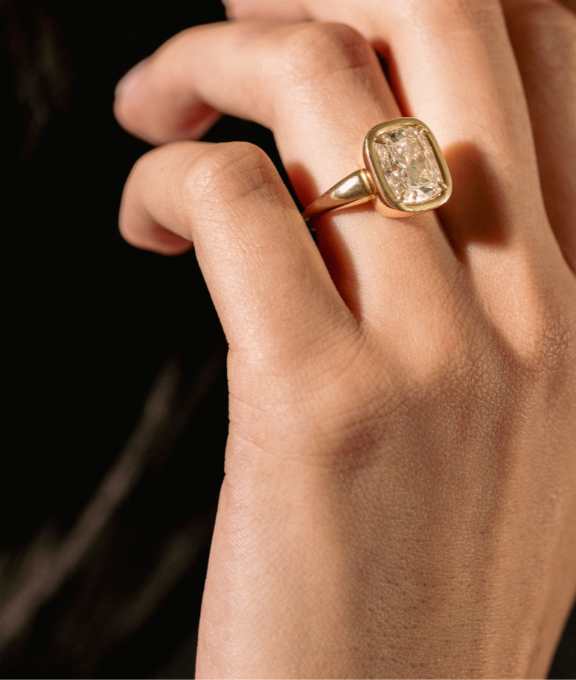
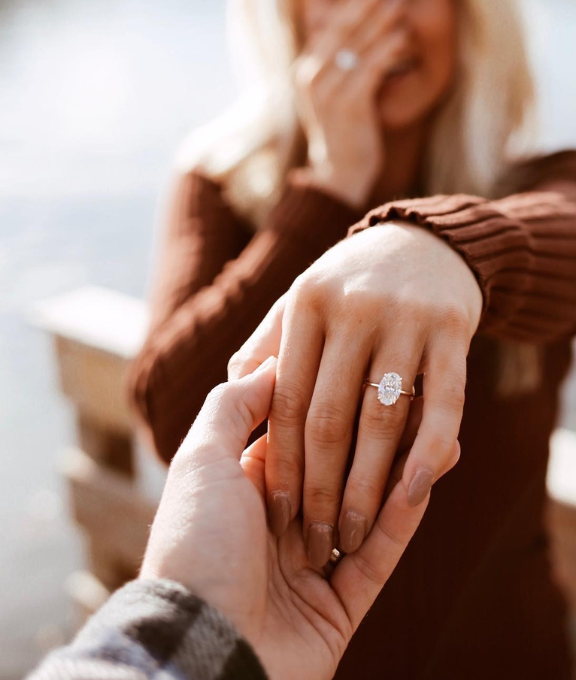
You might have noticed something different about engagement rings lately. The stones sit sideways. This horizontal placement, called an east-west setting, has become one of 2025's most talked-about jewelry trends. But here's what makes it interesting: this "new" style actually dates back over a century.

East–West settings feel new, but their history runs deep.
The Art Deco Connection
The east-west setting first gained real attention during the 1920s and 1930s. This was the Art Deco period, when women were entering the workforce in greater numbers and social norms were changing rapidly. Jewelry designers started experimenting with geometric shapes and clean lines. They began mounting gemstones horizontally instead of vertically.
This wasn't random. Art Deco designers loved symmetry and bold geometric forms. By turning stones sideways, they could showcase the natural lines of emerald cuts, ovals, and marquise stones in completely new ways. The horizontal orientation became a quiet rebellion against Victorian and Edwardian jewelry, which favored ornate, traditional settings.
Some historians have found examples of east-west settings from the 15th century. But Art Deco gave the style its real momentum and creative identity.

Horizontal stones weren’t a trend, they were a design evolution.
Why It Disappeared and Came Back
After Art Deco ended, east-west settings mostly vanished from mainstream jewelry. You'd occasionally see them in custom pieces or family heirlooms, but they weren't common. That changed around 2024. Jewelry experts started reporting surging demand for these settings. Celebrity engagements featured them. Runway shows included them. Social media searches for east-west rings spiked.
The timing makes sense. People want jewelry that tells their personal story. They're looking for pieces that feel both fresh and lasting. An east-west setting offers both. It references a century-old design tradition while feeling completely contemporary.

Rooted in tradition, revived by modern taste, the east–west resurgence is here to stay.
How the Setting Actually Works
When you turn a gemstone sideways, several things happen. The stone spreads across your finger rather than along it. This changes how light hits the facets. For elongated cuts like emeralds and ovals, the horizontal placement can make the stone appear larger. The width across your finger creates more visual impact than the same stone set vertically.
The setting also changes the ring's profile. A horizontal stone often sits lower and flatter against your finger. This makes it less likely to catch on clothing or bump into things during daily activities. For people who work with their hands or prefer practical jewelry, this lower profile solves real problems.
The orientation can make fingers appear longer too. The horizontal line creates a streamlined effect that many people find flattering.

East–West settings feel larger, sit lower, and can wear more comfortably.
Design Flexibility
East-west settings work with almost any elongated gemstone shape. Emerald cuts, marquise, ovals, pears, and radiant cuts all suit this orientation. Even unconventional cuts can work beautifully when set sideways.
This flexibility extends to the rest of the ring design. You can pair an east-west stone with a simple solitaire band. You can surround it with a halo. You can use a bezel setting for a modern look or prongs for something more traditional. The horizontal orientation works with yellow gold, white gold, platinum, or mixed metals.
Many people use east-west settings to update family heirlooms. An inherited stone gets new life when reset horizontally. The gem keeps its sentimental value but gains a contemporary feel.

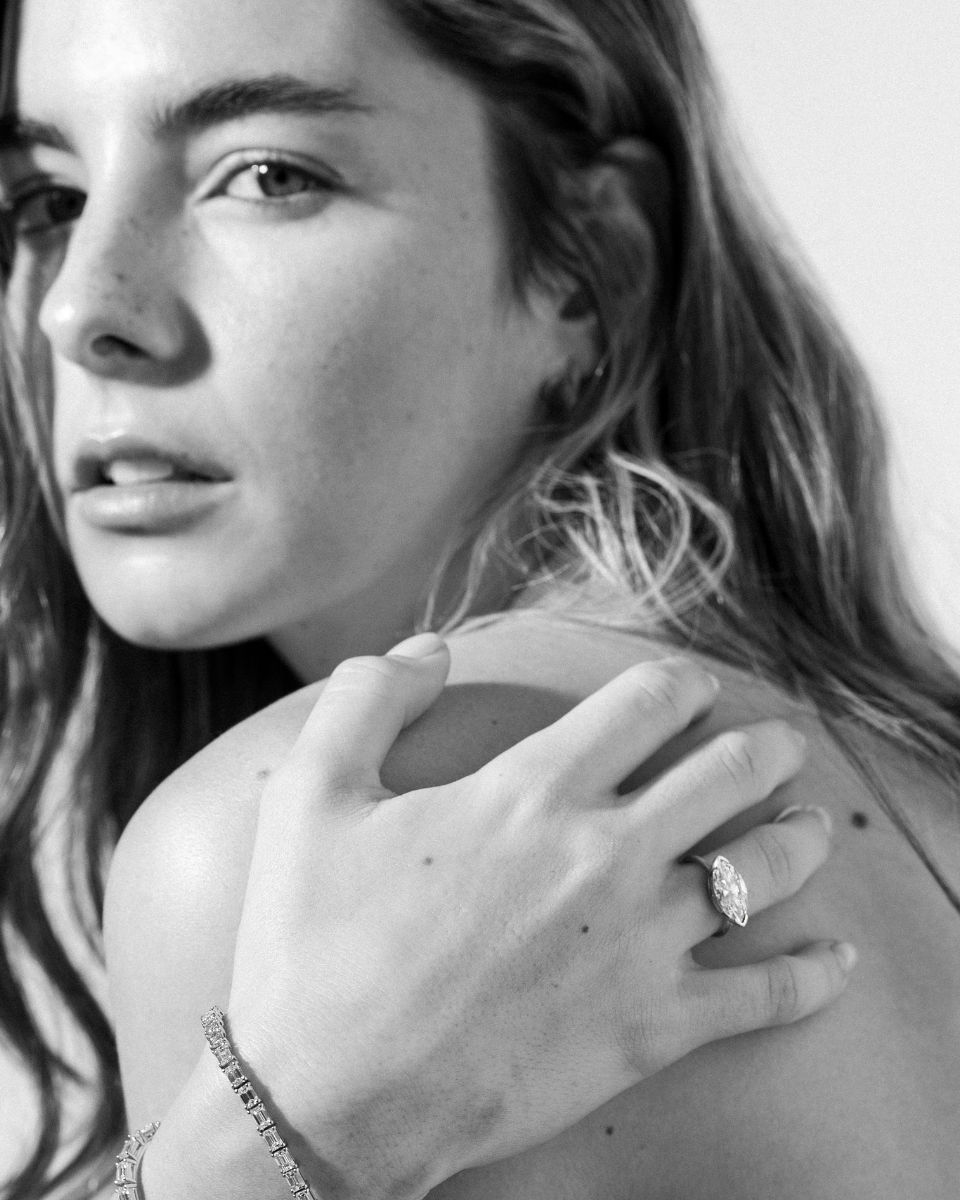
East–west settings are endlessly versatile, almost any elongated stone suits the look, like this East West Half Bezel Solitaire Engagement Ring With Marquise Cut Diamond.
What Buyers See in the Style
Jewelry experts point to several reasons for the east-west setting's current appeal. First, it offers something different from the round solitaires and traditional settings that dominate the market. When everyone else has vertical stones, a horizontal one catches attention.
Second, the setting speaks to personal values. The unconventional orientation suggests a path that doesn't follow conventional rules. For couples choosing engagement rings, this can represent their unique relationship. Some jewelers suggest the horizontal placement symbolizes equality and partnership, with the stone's equal weight on both sides representing two lives moving forward together.
Market data shows east-west rings are among the fastest-growing categories for custom jewelry requests. Buyers want pieces that start conversations. They want rings that feel personal rather than generic. The east-west setting delivers both.

This setting speaks to individuality, symbolism, and modern love.
Practical Considerations
Before choosing an east-west setting, consider a few practical points. The horizontal orientation works best with elongated stones. Round brilliants and square cuts don't benefit from sideways placement in the same way.
The setting can affect how you stack rings. Wedding bands might need custom curves to fit around a horizontal stone. Some people love this unique stacking look. Others prefer the clean lines of traditional vertical settings.
Stone security matters too. While east-west settings can be very secure, the horizontal orientation may require different prong placement or bezel styles. A skilled jeweler will ensure your stone stays safely in place.

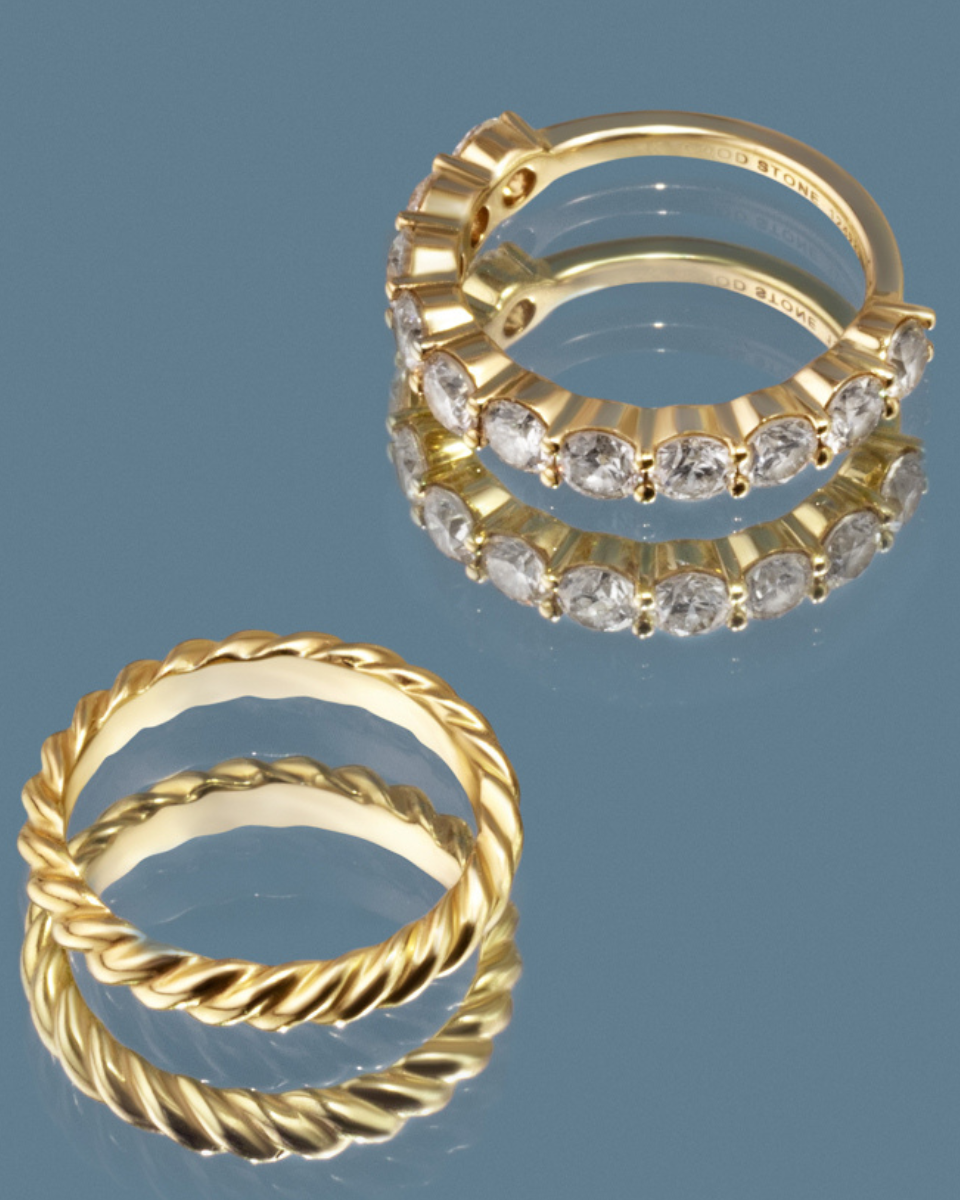
Style, stack, and stone security, all key when choosing an East–West ring. Just look how beautiful this East West Half Bezel Solitaire Engagement Ring With an Elongated Radiant Cut Diamond looks when stacked intentionally.
The Long View
The east-west setting's history suggests it has staying power. Styles that survive multiple decades and return stronger usually have something fundamental to offer. This setting provides both aesthetic appeal and practical benefits. It suits modern tastes while referencing established design traditions.
For jewelry brands like GoodStone and others serving contemporary buyers, the east-west option represents an important addition to their offerings. It allows customers to choose something distinctive without sacrificing quality or timelessness.
The current surge in east-west settings goes beyond trend-following. People choose these rings because they solve real problems and express personal values. The lower profile works for active lifestyles. The horizontal orientation creates visual interest. The Art Deco heritage provides design credibility.
The east-west setting proves that innovation in jewelry doesn't always mean inventing something entirely new. Sometimes it means taking an established idea and presenting it in a way that speaks to current sensibilities. By turning a stone ninety degrees, designers create a completely different look that still honors traditional craftsmanship.
This balance between innovation and tradition explains why East-West settings look both modern and timeless. They acknowledge jewelry's past while pointing toward its future. For anyone considering a ring that breaks from convention while maintaining elegance, the east-west setting offers a compelling option.



Leave a comment (all fields required)